You are probably reading a lot about a surge of cases of respiratory viruses like respiratory syncytial virus (RSV), influenza (the flu) and SARS-CoV-2, which causes COVID-19. The triple threat of these highly contagious respiratory viruses circulating simultaneously is causing a ripple of effects on patients, health care providers and our health care system as a whole.
We’ve discussed on this blog before that thankfully, for both the flu and COVID-19, we have effective vaccines and therapeutics that are approved or authorized for prevention and treatment of both diseases. Just this past weekend, I was excited to take my 8- and 10-year-old kids for their annual flu shot and their bivalent COVID-19 booster right in time for the cold season. Unfortunately, with respect to RSV, there are fewer existing tools in the toolbox.
As an emergency physician, some of the scariest moments I’ve had were caring for infants experiencing respiratory distress caused by RSV. And as a parent, one of the scariest moments for me was in the winter of 2014, when I took care of my own son while he was sick with RSV at only eight months old. He was teetering on the edge of having serious respiratory problems, but thankfully recovered quickly. For too many families, they aren’t as lucky.
But there is hope. In the same way that I caught chickenpox when I was a kid while my younger brother didn’t (thanks to the chickenpox vaccine), my hope for parents in the future is that they won’t need to worry about RSV in the same way that we are worrying about it now. And that is possible.
Thanks to the commitment of the biopharmaceutical industry, key investments have been made over decades to better understand and target RSV. While the cellular structure of the virus makes it a challenging nemesis, there are a number of potential medicines on the horizon. Currently there is one U.S. Food and Drug Administration (FDA)-approved monoclonal antibody that can be prescribed to high-risk infants and children to help reduce the risk of RSV-related hospitalizations. And excitingly, there are 21 medicines and vaccines currently in development.
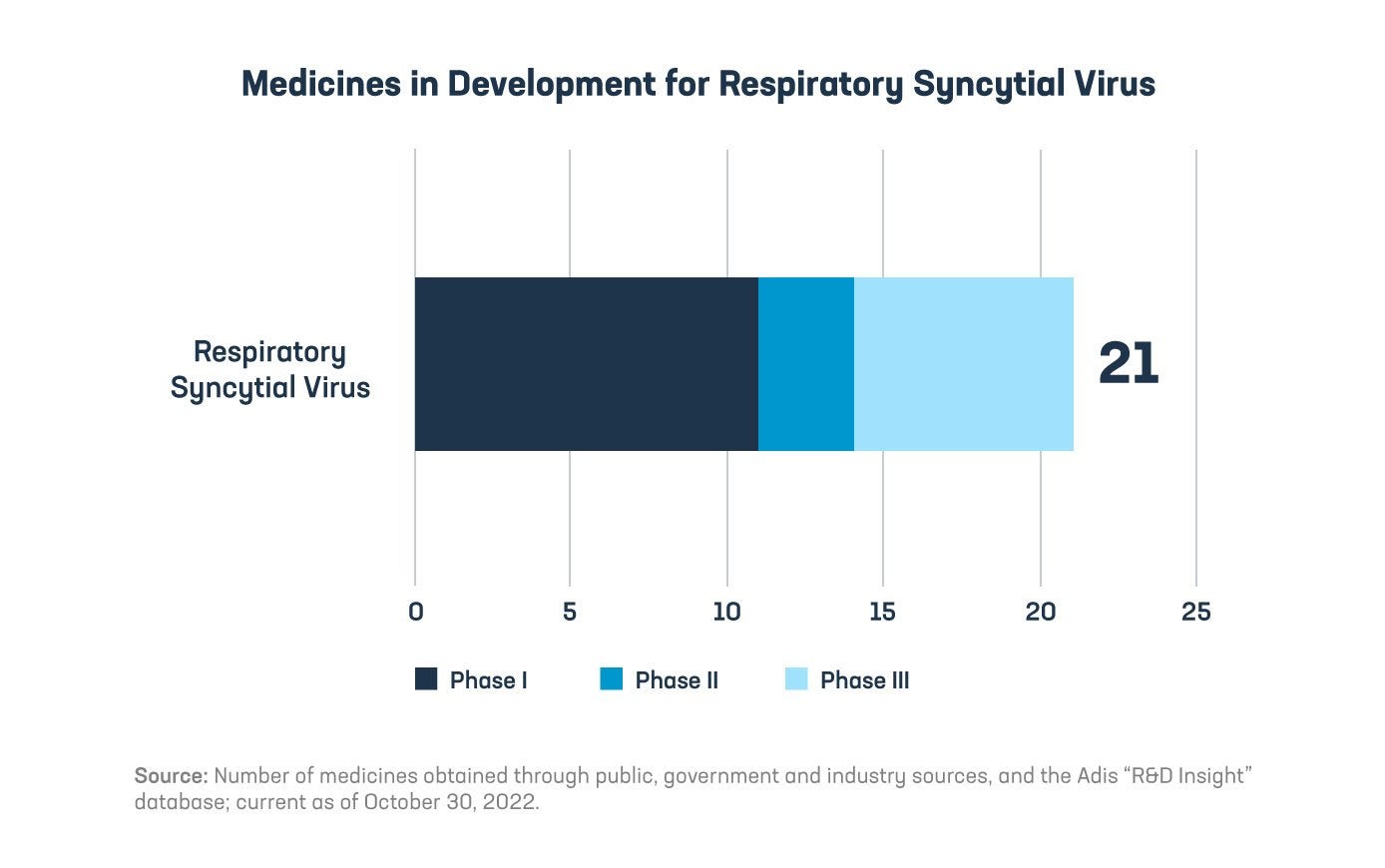
Several RSV vaccines in the pipeline are for three at risk populations: pregnant women (who can pass along immune protection to their babies in utero), infants and older adults. These potential vaccines are groundbreaking and diverse in terms of their mechanisms of action, and some have received FDA breakthrough designations for regulatory review. Some of the vaccine candidates are even building on our knowledge from COVID-19 mRNA vaccines. Antiviral treatments are also in development to reduce the severity of illness for individuals that catch RSV.
All of this innovation is possible because of investments the biopharmaceutical industry has made and partnerships they have developed across the life sciences ecosystem. This is not by accident, but because we have chosen to take risks and seek answers to the most vexing scientific and medical challenges. At the same time, policymakers should prioritize policies like strong intellectual property (IP) protections which support, not hinder, drug development. Unfortunately, the Inflation Reduction Act’s Medicare price-setting provisions gut the incentives necessary to encourage risky biopharmaceutical research and development, essentially devaluing IP by allowing for government price controls to take effect years before the product’s patents or regulatory exclusivities expire.
While we anxiously await new innovations to change the paradigm for RSV, there are actions you can take today to keep you and your family safe and healthy. Consider getting up to date on influenza and COVID-19 vaccinations. Continue to do the simple things also like washing your hands, wearing a mask in crowded indoor spaces and staying home when you feel sick. Mild cold symptoms in a healthy adult could be a serious and life-threatening RSV infection for an infant.
Everyone doing their part will go a long way to controlling the spread of these contagious respiratory illnesses and keeping at-risk individuals healthy this holiday season.
Mike Ybarra
Michael Ybarra, M.D., is an emergency physician and Chief Medical Officer at PhRMA. He also serves as Senior Vice President in Advocacy and Strategic Alliances. In these roles, he leads PhRMA’s stakeholder engagement and strategic partnerships on federal and international health policy issues. He is PhRMA’s liaison representative to the Advisory Committee on Immunization Practices and is the co-convener of PhRMA’s R&D Leadership Forum. Dr. Ybarra continues to see patients clinically in the emergency department at MedStar Georgetown University Hospital.
Follow Mike on LinkedIn and X.
Mike Ybarra
How the Vaccines for Children program protects America's kids
Why smart vaccine policy matters
New study: HPV vaccination helps prevent cervical cancer deaths
New research reinforces the importance of hepatitis B vaccination at birth
World Immunization Week: Putting preventable diseases in the past
ICYMI: Measles resurgence could cost U.S. nearly $8 billion over five years
Why shifting childhood vaccines to “shared clinical decision-making” puts kids at risk
Changes to America’s childhood vaccine schedule fail to protect our nation's kids
New study: Measles setbacks harm health and America’s economy
Why the hepatitis B vaccine matters
Vaccines and autism: Decades of scientific evidence find no link
Why the vaccine injury program matters
Recognizing the importance of vaccination for American health and security
Answering common questions on mRNA technology
What to know about vaccine ingredients: Aluminum and thimerosal
World Immunization Week: Highlighting the importance of vaccines for public health
What you need to know: Measles and the MMR vaccine
Improved treatments continue to lead to declining cancer mortality rates in the U.S.
Preventing and fighting disease: A look at the biopharmaceutical progress made for patients in 2024
Recognizing the value of disease prevention with Dr. Len Friedland from GSK
Leveraging the power of vaccines to prevent antimicrobial resistance
From the emergency department to the CDC Advisory Committee: Key takeaways from ACIP’s recent meeting
The Patient Perspective: Vaccines
How to protect your children’s health this school year
New Report: Vaccines continue to drive improved health outcomes
Showcasing the promise of biopharma at ASCO 2024
World Vaccine Congress: Building on vaccine success
WHO Pandemic Agreement offers opportunities and risks for American innovators
New Report: 1,600 cancer treatments and vaccines in clinical development
What you should know about protecting your health this fall
A conversation with Dr. Mike Ybarra on the current state of COVID-19
What they are saying: Experts reinforce that TRIPS waiver expansion is harmful and unnecessary
PhRMA provides comments and testimony to USITC investigation on COVID-19 medicines and the TRIPS Agreement
Celebrating the success of the COVID-19 vaccines, and looking to the future
What we’ve learned from three years of fighting COVID-19
Word of the Month: What is TRIPS?
Word of the Month: Long COVID
Protecting against influenza: A conversation with David Ross, Vice President, Commercial Operations, North America, CSL Seqirus
Partnerships are driving global COVID-19 treatment access
ICYMI: PhRMA’s Ubl pens op-ed on IP waiver for COVID-19 technologies
New Data: COVID-19 vaccine global production capacity projected to exceed 20 billion doses this year
What you need to know about newly authorized COVID-19 antiviral treatments
Guest Blog: COVID-19 vaccines are the key to keeping kids healthy
Global COVID-19 vaccination matters now and for the future
Understanding breakthrough COVID-19 infections
The important role of antivirals in the fight against COVID-19
A year and a half later: The biopharmaceutical industry remains committed to beating COVID-19
Recognizing National Immunization Awareness Month
Driving further innovation is critical to global vaccine equity
Supporting country readiness to boost global vaccine access
Ensuring global vaccine equity requires eliminating trade and regulatory barriers
Setting the record straight: Addressing common misconceptions about the COVID-19 vaccine
Increasing global access to vaccines by optimizing production
Guest post: Retired medics return to the field to take on vaccine delivery and disaster relief
Guest Post: A patient’s story of the long-term health impacts of COVID-19
Dose sharing as a part of the COVID-19 global vaccine equity strategy
Promoting global vaccine equity while protecting innovation
Data shows COVID-19 vaccines are creating a pathway to a strong U.S. recovery
Americans 12 years of age and older are eligible for COVID-19 vaccines
ICYMI: PhRMA president and CEO Stephen J. Ubl joins other industry leaders for a conversation on COVID-19 vaccines with Axios
Supporting India during the devastating coronavirus surge
PhRMA CAREs Grant request for proposals: Addressing inequities in access to COVID-19 testing, therapeutics and vaccines
Ron Busby, Sr., President and CEO of the U.S. Black Chambers, Inc. on improving vaccine confidence in community
Patient safety is at the heart of COVID-19 vaccine R&D
Data shows that Americans are relying on vaccines to get us through the pandemic
Diversifying clinical trials and fighting disease requires equity and trust
Building confidence in the COVID-19 vaccine through education
ICYMI: WSJ showcases breakthrough science of COVID-19 vaccines and implications for future medicines
Intellectual property is the key to vaccine development, manufacturing and technology sharing
Coming together to fight COVID-19: A conversation with Paul Perreault, CEO and Managing Director of CSL
Fighting variants of COVID-19
Growing trend: Increased vaccine confidence
Guest post: How COVID-19 underscores the importance of public confidence in vaccines
Understanding the emergency use authorization process for COVID-19 vaccines
Flu Season 2020: Why it’s time to talk to your doctor today about getting a flu shot
Coming together to fight COVID-19: A conversation with Albert Bourla, Chairman & CEO of Pfizer, Inc.
Coming together to fight COVID-19: A conversation with Paul Hudson, CEO of Sanofi
Supporting access to vaccines for Part D beneficiaries
New report shows more than 400 medicines and vaccines in development to tackle infectious diseases, including COVID-19
PhRMA’s Lori Reilly joined CSG to discuss the industry’s response to COVID-19 and what it means for states
How biopharmaceutical researchers are ensuring COVID-19 vaccines will be safe and effective
Guest Post: From lab to jab: Vaccine development to prevent COVID-19
What scientific experts are saying about vaccine safety
New report shows nearly 260 vaccines in development, including dozens for COVID-19
Merck’s Dr. Julie Gerberding on the threat of antimicrobial resistance and COVID-19
The biopharmaceutical industry’s unique role in responding to COVID-19
COVID-19 Response: Supporting the frontline
Guest post: Looking out for the invisibly vulnerable in the time of COVID-19
America’s biopharmaceutical companies are working around the clock to beat coronavirus
Guest post: Takeda’s efforts to address COVID-19
ICYMI: America’s biopharmaceutical companies are taking on COVID-19
ICYMI: Continued biopharmaceutical action on COVID-19
Helping those affected by the coronavirus
Why vaccines work in the fight against measles and other infectious diseases
Medicare Monday: Helping beneficiaries access vaccines
New report and event examine the new era of vaccines
Medicare Monday: Strengthening access to vaccines for seniors
What you should know about RSV
Vaccines
Infectious Diseases
What you should know about RSV
What you should know about RSV