not used title
not used title
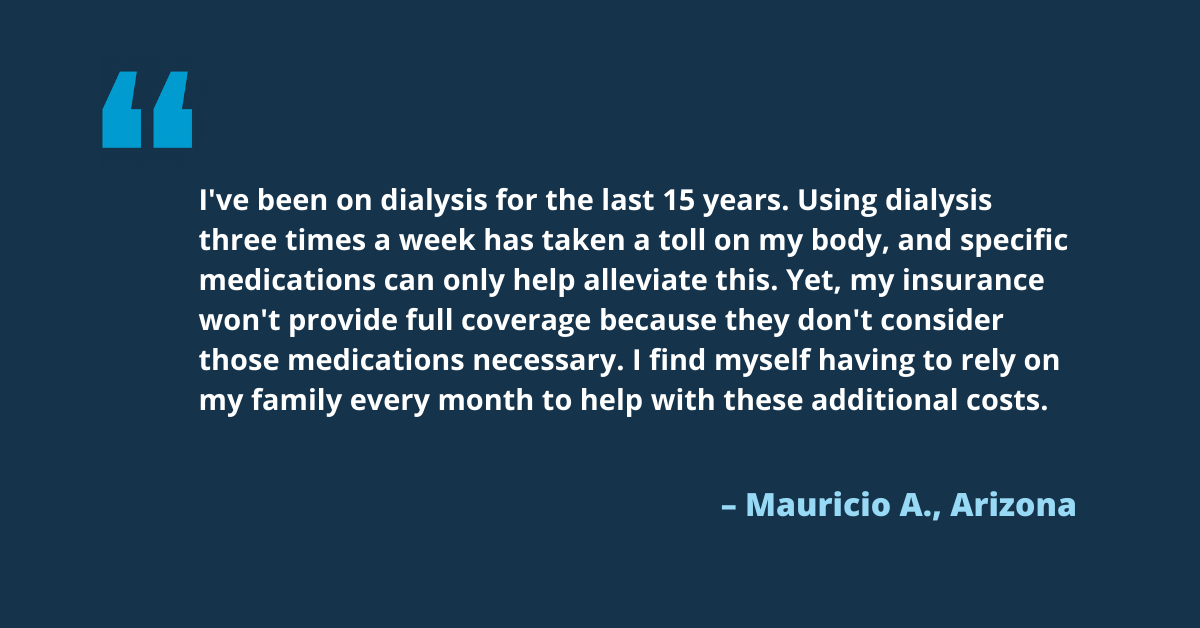
Nearly half of insured Americans who take prescription medicines encounter affordability and access barriers to care, according to the findings of the newest installment of the Patient Experience Survey. The survey – based on interviews with 5,000 Americans – finds that more than a third of insured Americans report at least one financial barrier to care, such as a lack of savings to pay for emergency or unforeseen expenses. Despite paying premiums each month, many patients are experiencing an insurance system that isn't working for those who need care.
Here are three things you should know.
1. Nearly half (49%) of insured Americans who take prescription medicines face insurance barriers to accessing their medicines.
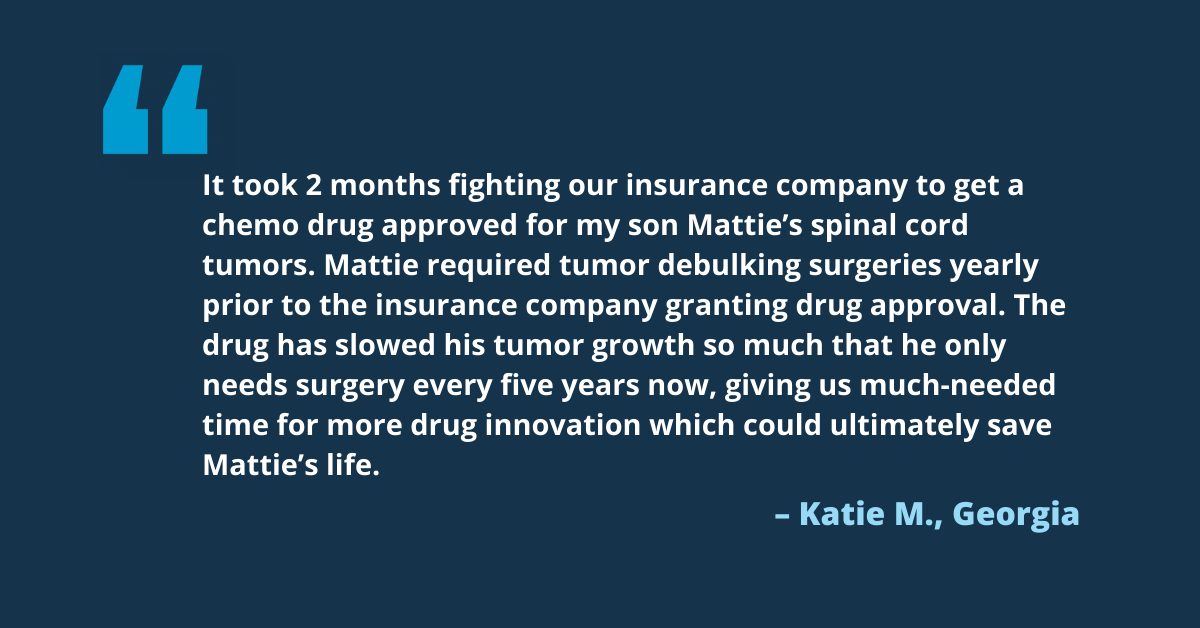
Nearly one in three insured Americans who take prescription medicines report the medicine their physician prescribed has been excluded from their insurers’ list of approved medicines. Nearly one in five reported having to undergo fail first, also known as “step therapy”, which requires patients to try and fail on one or more medicines before their insurer will cover the medicine originally prescribed. Insurer-imposed practices can also contribute to patients not taking medicines as prescribed by their doctors, potentially leading to negative health outcomes that can disproportionately impact communities of color and other underserved populations.
2. Health insurance deductibles and other out-of-pocket costs imposed by insurers create significant barriers to care and deepen inequities.
More than a third (35%) of insured Americans report spending more in out-of-pocket costs than they could afford in the last month, with high deductibles being the significant driver of these unaffordable costs. Black (24%) and Hispanic (21%) Americans with insurance are also most likely to report not being able to afford the care they need compared to just 17% of white Americans.
3. Cost sharing and medical debt leave too many insured patients financially vulnerable, especially those in Hispanic and Black communities.
Unaffordable out-of-pocket costs increasingly burden Americans, with more than a quarter of insured Americans (27%) reporting medical debt. The average debt reported by patients is $4,000, with hospital and doctors’ bills as the largest contributing factors. Hispanic (36%) and Black (33%) Americans with insurance are more likely to report outstanding medical debt, compared to 26% of white Americans.
This data reinforces the need for policymakers to pass common-sense reforms that lower patients’ costs at the pharmacy counter and improve the insurance system for those who need care.
Read the full Patient Experience Survey report here and learn more about patient-centered solutions at PhRMA.org/BetterWay.
Cynthia Hicks
Cynthia Hicks is Senior Director of Public Affairs at PhRMA focusing on polling and opinion research that supports advocacy communications and strategy. Prior to joining PhRMA, Cynthia worked as a consultant, marketer, and head of polling for a civic technology company where her work supported issue advocacy organizations and policy makers on both sides of the aisle. Cynthia is a proud Los Angeles native and outside of the office she enjoys an early morning HIIT workout and spending time with friends and family.
Cynthia Hicks
Survey confirms too many insured Americans face barriers to reliable health care
April 22, 2026
Insurers routinely block seniors’ access to medicines in Medicare Part D
March 18, 2026
Americans believe U.S. pharma leadership needs to be protected
February 26, 2026
50-state poll says Americans are concerned that hospital markups hurt patients
January 27, 2026
New study: PBMs and commercial insurers are quietly blocking prescription access
July 30, 2025
Health care practitioners sound the alarm on middlemen-imposed barriers to patient care, need for policy change
March 13, 2025
Reimagining patient access through meaningful policy reform
November 5, 2024
New PES survey: Out-of-pocket costs lead key health care priorities ahead of the November election
October 30, 2024
Guest Post: My health care vote
October 29, 2024
Americans speak out on health insurance barriers and need for policy change, according to the latest Patient Experience Survey
October 28, 2024
Where voters stand ahead of the election
October 16, 2024
PBMs and insurers off the hook: Sen. Sanders’ selective hearing on drug costs
September 24, 2024
Key voter insights two months from Election Day
September 10, 2024
Patient priorities in the 2024 election
September 10, 2024
Don’t put the government between patients and their medicines
August 7, 2024
Voters across all 50 states want state policymakers to focus on health insurance and PBM practices
July 30, 2024
New 50-state poll Americans want to hold health insurers and PBMs accountable for high out-of-pocket costs and other practices
July 9, 2024
The IRA could lead to higher out-of-pocket costs for 3.5 million Medicare patients in 2026
June 25, 2024
ICYMI: What patients care about this election year
June 24, 2024
Key election year voter insights
June 6, 2024
PhRMA Warns Federal Agencies: Consolidation and vertical integration among insurers, PBMs, and hospitals threaten patients
June 5, 2024
Ongoing federal probes shed light on PBM and insurer practices
May 20, 2024
Critics repeat same, misleading narrative on potential “costs” of new medicines
May 7, 2024
WTAS: The consequences of consolidation and vertical integration
May 6, 2024
IRA is already negatively impacting access to medicines in Part D
April 25, 2024
Insurance data: PBM reform has no material impact on premiums
April 24, 2024
ICYMI: Voter priorities this election season
April 18, 2024
New study finds insurers and PBMs increasing access restrictions in Medicare Part D
April 16, 2024
Voter insights: Four things to know
March 7, 2024
Four years later, Maryland board still hasn’t delivered for patients
February 12, 2024
Setting the Record Straight: Comparing U.S. drug prices to those in foreign countries hurts patients
February 7, 2024
New poll: Americans agree that expanding the TRIPS waiver will harm U.S. global manufacturing and innovation leadership
January 29, 2024
ICYMI: When middlemen get in the way, it’s the patients who lose
December 5, 2023
Increased use of prior authorization in Medicaid is blocking access for patients
November 28, 2023
ICYMI: WSJ — Same Drug, Two Prices: Why the Higher Price Prevails
November 15, 2023
One year to Election Day: Four voter priorities to watch
November 6, 2023
ICYMI: Scott LaGanga and Matt Salo deliver a State of the Industry Report
October 25, 2023
New poll shows strong bipartisan support for PBM reform
October 20, 2023
ICYMI: Government watchdog report finds patients in Medicare Part D paid billions more for medicines than insurers and PBMs
September 28, 2023
Medicare Prescription Payment Plan will benefit patients if implemented correctly
September 21, 2023
New PhRMA ad exposes yet another way PBMs get between patients and their medicines
September 5, 2023
Navigating the Patient Experience Survey: Protecting Lifelines to Access and Innovation
July 26, 2023
Three things to know from the latest Patient Experience Survey
July 20, 2023
ICYMI: PBM exec admits choosing profits over patients
June 2, 2023
Insulin: Key Facts on Access & Affordability
May 10, 2023
4 key facts on medicine prices and spending
May 9, 2023
4 Things to know about PhRMA’s new 50-state poll
May 4, 2023
Americans want state policymakers to lower out-of-pocket costs
May 1, 2023
Three facts about health care spending
April 25, 2023
AHIP’s latest misinformation campaign & what it’s trying to hide
April 24, 2023
ICYMI: PhRMA President and CEO Stephen J. Ubl discusses patient affordability
April 7, 2023
States can support access to medicine as COVID-19 Public Health Emergency ends
April 5, 2023
Arkansas puts patients first with new share the savings law
April 4, 2023
Key Trends: Patient experience data reveal how insurers and middlemen impose barriers in health care
March 29, 2023
Insurer and PBM tactics are shifting higher costs to patients with chronic and complex conditions
March 2, 2023
Holding pharmacy benefit managers accountable
February 23, 2023
Stopping pharmacy benefit managers from “gaming the system”
February 22, 2023
Senate hearing to examine bipartisan reforms to rein in middlemen
February 16, 2023
Minnesota lawmakers are letting PBMs off the hook, and threatening patients’ access to medicines
January 31, 2023
ICYMI: PhRMA kicks off the year at the 2023 J.P. Morgan Health Care Conference
January 19, 2023
In their own words: Insured Americans support policy reforms that address access and affordability concerns
December 14, 2022
ICYMI: PhRMA COO Lori Reilly speaks about the health care agenda for the next Congress
December 9, 2022
In their own words: Financial barriers exacerbate access challenges for insured Americans
December 8, 2022
Putting Delaware patients first: Protecting Patient Assistance Programs
November 22, 2022
Medicare Part D open enrollment and what recent changes mean for beneficiaries
November 17, 2022
New data show how insurers and middlemen shift Rx costs onto patients
November 16, 2022
In their own words: Insured Americans struggle to navigate complex coverage
October 26, 2022
Many seniors are paying more for Part D medicines than their insurer
October 18, 2022
New comments outline ways to protect patients from health plans and PBMs who profit from patient assistance
October 7, 2022
Busting 3 Myths About Copay Coupons
October 5, 2022
Mental Illness Awareness Week – A time for reflection
October 3, 2022
A key fact the White House is reluctant to admit
September 27, 2022
A key fact the White House is reluctant to admit
September 27, 2022
Navigating the patient experience: Burdens and barriers standing between patients and their care
September 12, 2022
Making coupons count for patients at the pharmacy counter
August 25, 2022
Insulin and reconciliation
August 15, 2022
New survey: Voters seriously concerned about fine print in reconciliation bill
August 12, 2022
Making coupons count for patients with HIV
August 8, 2022
The Senate’s latest price setting proposal will undermine: Our health care system
July 28, 2022
The Senate’s latest price setting proposal will undermine: Patient access to medicines
July 26, 2022
Survey Says: Prescription drug prices are not fueling inflation concerns for Americans
July 22, 2022
Putting patients first at the state level — A conversation with Mark Reisenauer, President of Astellas Pharma US
July 14, 2022
Polling continues to show voters reject so-called Medicare “negotiation” once they learn about consequences for patients
July 12, 2022
Patients win as West Virginia implements first-in-nation share the savings policy
July 8, 2022
3 things voters are concerned about when it comes to their health care coverage
July 7, 2022
Copay assistance is a lifeline for patients. So why are insurers blocking it?
June 29, 2022
Patients support state action requiring PBMs and insurers to share savings and cap costs for medicines
June 16, 2022
New poll shows voters sounding the alarm on health insurance companies and PBMs
June 6, 2022
PhRMA warns of the growing influence of middlemen over patient access and out-of-pocket costs for patients
May 31, 2022
Report finds PBMs are increasingly restricting patient access to medicines
May 25, 2022
ICYMI: PhRMA COO Lori Reilly spotlights efforts to improve health care in 2022 and beyond
May 9, 2022
Study finds insurance barriers disproportionately burden patients with chronic illness
May 4, 2022
What’s really happening when it comes to prescription drug costs
April 27, 2022
5 public opinion polling trends to watch
April 22, 2022
Analysis: States can help patients save nearly $1,000 annually on their medicines
April 21, 2022
New analysis confirms hospitals markup prices for oncology therapies
April 21, 2022
How standardized plans can improve patients’ access to medicines
April 18, 2022
Correcting the record: Putting medicine costs and spending in context
March 24, 2022
Sharing rebates can save Americans with diabetes 500 each year and improve adherence
March 16, 2022
Veterans Affairs 101: Three charts show how the VA system differs from Medicare
March 11, 2022
If drug prices are growing below the rate of inflation, why are patients still feeling the sting at the pharmacy?
March 8, 2022
The patient experience: Insurance barriers continue to impede access to health care, especially among the country’s underserved
February 28, 2022
PhRMA submits comments urging CMS to withdraw coverage proposal
February 11, 2022
Medicaid 101: Three charts on access and spending
February 3, 2022
Government price setting won’t stop insurers from shifting costs to patients
February 2, 2022
New comments outline ways to counteract cost-shifting insurance trends
January 28, 2022
Patients need to pay less for their medicines. States can help.
January 26, 2022
It’s a new year, but sadly Congress is still pursuing flawed price setting policies
January 25, 2022
New poll of all 50 states and 435 Congressional Districts shows perils of so-called Medicare “negotiation”
January 25, 2022
CBO reaffirms our innovation ecosystem leads to improved lives, long-term savings
January 21, 2022
New study finds more than half of brand medicine spending goes to the supply chain and others
January 7, 2022
Making medicines more affordable: Making insurance work like insurance
December 8, 2021
Navigating the patient experience in the time of COVID-19
December 6, 2021
Insurance design barriers can impact patient adherence and can lead to poor health outcomes
November 23, 2021
What is missing in the current drug pricing plan
November 23, 2021
ICYMI: PhRMA CEO speaks at STAT Summit about government price setting
November 19, 2021
Making medicines more affordable: Sharing savings at the pharmacy counter
November 19, 2021
Three things to know about so-called Medicare negotiation polling
November 18, 2021
Making Medicines More Affordable: Making coupons count
November 5, 2021
What they are saying: Government price setting for medicines is not the answer
November 4, 2021
Four things to know from IQVIAs latest report
October 29, 2021
The patient experience: Insurance design hurdles lead to access issues for too many Americans
October 28, 2021
The patient experience: Out-of-pocket costs are driving patients affordability and access challenges
October 19, 2021
New poll shows Americans reject Medicare negotiation once they learn more about the policy
October 15, 2021
To drive up profits, hospitals continue unnecessary medicine mark-ups, burdening patients, employers and health care system
October 14, 2021
What is Kaiser Family Foundation up to?
October 12, 2021
New report shows 3 in 10 Americans that have insurance still face a financial barrier to care
October 7, 2021
Industry leaders discuss the impact of the drug pricing debate
September 23, 2021
Five reasons tying VA prices to Medicare Part D misses the mark
September 22, 2021
America’s biopharmaceutical companies to Congress: Government “negotiation” is the wrong approach
September 15, 2021
Recent polling misrepresents public support for Medicare “negotiation”
August 31, 2021
Myth vs. fact: Polling and Medicare “negotiation”
August 12, 2021
ICYMI: Event spotlights how we can make Medicare work better for patients
August 4, 2021
The future of the rebate rule: Will policymakers stand with patients?
August 2, 2021
Celebrating Medicare’s 56th anniversary
July 30, 2021
3 factors impacting medication adherence for patients with diabetes
July 20, 2021
Data shows voters strongly support protecting access to their medicines
July 15, 2021
Data shows COVID-19 vaccines are creating a pathway to a strong U.S. recovery
July 2, 2021
New reports shed light on key facts about medicines and affordability
June 8, 2021
Out-of-pocket trends in Medicare Part D show rising costs for seniors
May 24, 2021
Study finds nearly half of payers believe innovative contracts can lead to lower patient out-of-pocket costs
May 17, 2021
New polling shows Americans are sounding the alarm on the TRIPS IP waiver
May 14, 2021
Four solutions Americans support to make health care more affordable
May 13, 2021
New data from insurers show detriments of copay accumulator adjustment programs
April 28, 2021
Data shows that Americans are relying on vaccines to get us through the pandemic
April 22, 2021
West Virginia becomes the first state to lower patient costs by sharing the savings
April 20, 2021
Data shows that keeping a strong biopharmaceutical industry is important to Americans
March 30, 2021
Nearly 40% of commercially insured patients face half their annual out-of-pocket expenses from just one health care encounter
March 2, 2021
Top five issues voters want addressed in the administration’s first 100 days
February 18, 2021
Insurers shift medicine costs to patients with severe chronic illnesses
February 1, 2021
Growing trend: Increased vaccine confidence
January 28, 2021
The latest misleading “poll” on drug pricing
January 28, 2021
Election insights: Common ground areas to address Americans’ health care concerns
January 26, 2021
New insulin report highlights how incentives benefit middlemen, harm patients
January 22, 2021
Key facts: The final rebate rule will be a positive change for patients
January 19, 2021
Election insights: Voter priorities in the states
December 17, 2020
Insights from the election: Meeting voters where they are on health care
December 15, 2020
Final rebate rule represents right way to change Medicare
December 1, 2020
Accumulator adjustment programs lead to surprise out-of-pocket costs and nonadherence, analysis finds
November 19, 2020
Deep dive: The issues that drove the 2020 vote
November 13, 2020
Voters want to address the real drivers of health care costs for patients and the system
November 2, 2020
Three things you should know about recent health care polling
October 23, 2020
Study finds middlemen excluded nearly 850 medicines from formularies this year
September 17, 2020
Recent administration actions undermine patient assistance programs
September 16, 2020
Manufacturer cost-sharing assistance programs can save chronically ill patients hundreds to thousands of dollars annually
August 19, 2020
Commercial health plans have increased patients’ out-of-pocket costs by over 50% in some therapeutic areas
August 12, 2020
Commercial health plans transition from copays to coinsurance and deductibles has increased patient out-of-pocket costs
August 6, 2020
Four things to know about the IQVIA “Medicine Spending and Affordability in the U.S.” report
August 5, 2020
New data show commercially insured patients face increasingly high cost sharing for brand medicines
July 30, 2020
Payers subject 80% of new RA and MS patients to utilization management restrictions
July 22, 2020
New rule makes it harder for patients to lower their out-of-pocket costs
May 20, 2020
ICYMI: Patients saved nearly $800,000 out of pocket through innovative contracting arrangements
April 20, 2020
PhRMA comments on HHS proposed rule on manufacturer cost-sharing assistance and accumulator adjustment programs
March 3, 2020
Addressing barriers that inhibit value-based contracts
February 21, 2020
New NHE data: Medicine prices declined, and hospitals were biggest driver of health care spending in 2018
December 6, 2019
Guest post: Sharing discounts and rebates is the right thing to do
October 21, 2019
Survey shows out-of-pocket costs top health care concern for voters
October 2, 2019
Four reasons why the radical Pelosi Plan is the wrong approach
September 24, 2019
Hospitals make 9 times more than physicians’ offices on provider-administered medicines
September 10, 2019
Three things to know about the Part D GAO report
August 16, 2019
Four states adopt first-in-the-nation laws to protect patients from surprise insurer practices
July 15, 2019
How the rebate rule would help reduce patients’ out-of-pocket costs
June 3, 2019
Ask About Adherence: OIG proposed rule to reform the rebate system could improve adherence
May 15, 2019
Six policy solutions to help patients afford their insulin
April 9, 2019
Five key facts about the market for insulins
April 1, 2019
OIG proposed rule could help strengthen the Part D market
March 28, 2019
Rebate rule would help ensure seniors with diabetes don’t pay more for their medicine than their insurer
March 25, 2019
OptumRX: Sharing rebates with patients is “worth it”
March 18, 2019
New study shows why insurers should share rebates with Medicare Part D beneficiaries on a mandatory basis
February 14, 2019
New whitepaper identifies limitations in using ICER’s “potential budget impact” work to guide private payer budget decisions
January 18, 2019
10 things you should know about medicine spending and costs
January 2, 2019
Six key facts about the market for insulins
December 17, 2018
Americans want to know more than just the list price of a medicine—and we’re answering their call
October 15, 2018
What they are saying: PhRMA member executives on industry’s new approach to DTC television advertising
October 15, 2018
Coupons allow patients to remain on medicines in spite of high cost sharing and deductibles
October 4, 2018
Experts agree: the Bipartisan Budget Act changes to Medicare Part D jeopardize the program
September 24, 2018
New whitepaper identifies reasons why ICER’s cost-effectiveness analyses are not useful for payers
September 19, 2018