 Bolstered by incredible progress in the fight against COVID-19, the biopharmaceutical industry continues to work around the clock to research, develop and manufacture vaccines and therapeutics to prevent and treat infection. COVID-19 vaccines have been credited with the steep decline in cases nationwide, but with cases again rising and a new threat from the highly contagious Delta-variant, it’s more important than ever that we continue to educate about getting vaccinated. In fact, if there is someone in your life who is not yet fully vaccinated, now is the time to pull out all the stops and encourage them to do so – it could save their life.
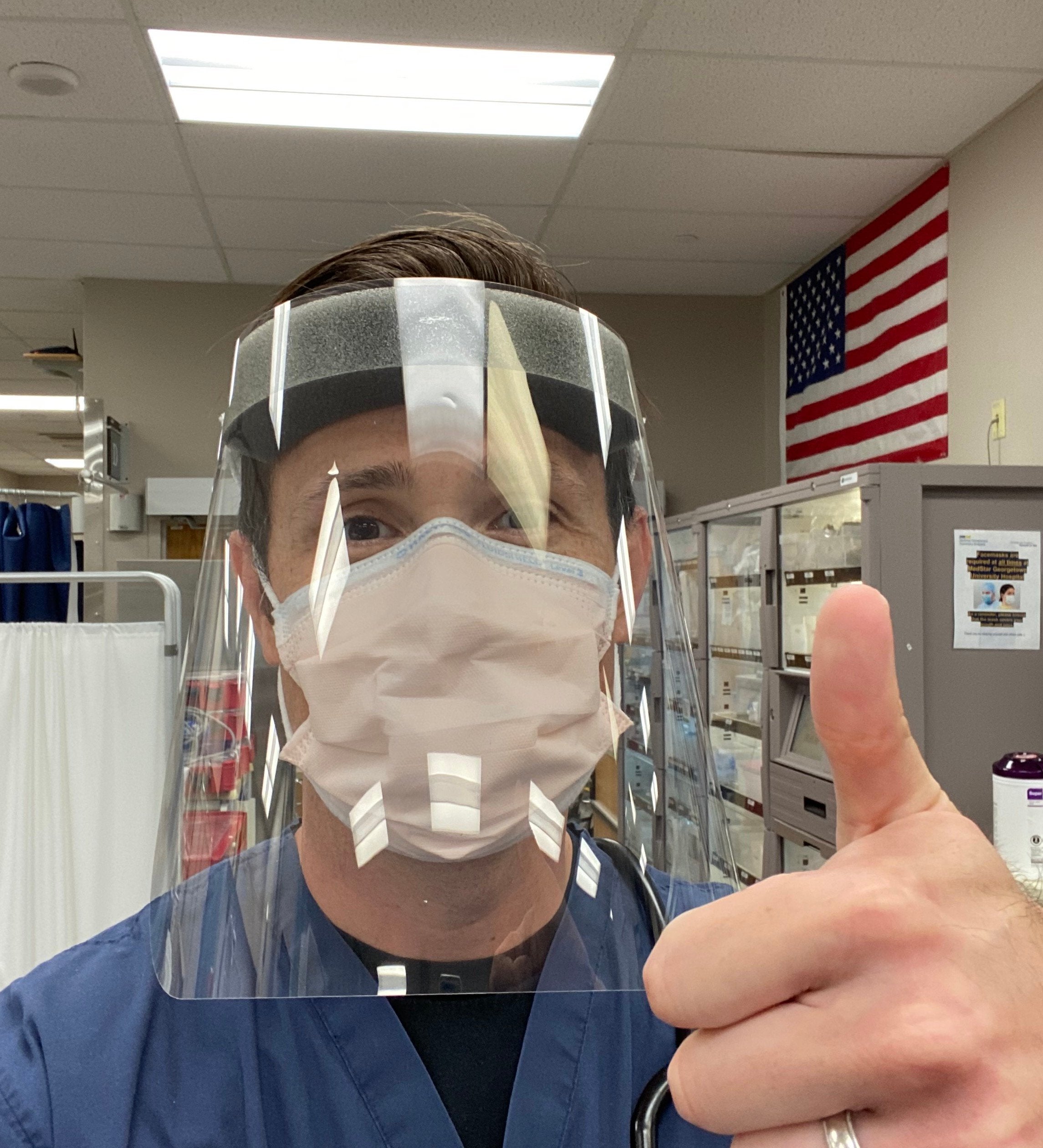
The risk of remaining unvaccinated couldn’t be more dire. Nearly all people entering hospitals now because of COVID-19 are unvaccinated – a staggering 97% of new COVID-19 admittees. I would know, I’m an emergency physician. I went almost two months seeing patients in the emergency department without a single case of COVID-19, and then what seems like suddenly, I started seeing more and more unvaccinated individuals coming in with symptoms and testing positive. We’ve heard about it on the news and are starting to see it in communities across the country.
Remaining unvaccinated not only puts yourself at risk, but in our highly interconnected world, it also puts young children under the age of 12 at risk, because they are not yet eligible to receive the vaccine. It also puts individuals who are immunocompromised at risk because they may not be able to mount the same immune response as an otherwise healthy individual. We all must do our part to keep our communities safe, and getting vaccinated is the best protection against COVID-19.
Here are some common concerns and misconceptions about the vaccine that are dissuading people from getting the shot. We’re setting the record straight.
- What is an emergency use authorization and can I be confident its standards are robust?
- Emergency use authorizations (EUAs) are used in certain emergency situations, like the COVID-19 public health emergency. They may only be issued if, among other things, FDA determines that there is no adequate, approved and available alternative to the EUA product. EUAs are used to facilitate access to medical interventions, such as vaccines.
- While an EUA is different than the FDA approval of a vaccine, safety standards for all COVID-19 vaccines are robust and no corners have been cut along the way. The FDA has issued guidance specifically on EUAs for COVID-19 vaccines that brings greater scientific transparency to the review process.
- At this point, billions of people around the world have been protected from COVID-19 because of vaccines.
- Were the COVID-19 vaccines studied carefully?
- Patient safety is at the heart of COVID-19 vaccine R&D. COVID-19 studies are subject to the same requirements, including safety monitoring, as all drug clinical trials. Researchers closely monitor data throughout the clinical trial and the FDA reviews these data as part of its assessment of the benefit/risk profile of the vaccine – I know this personally, because I participated in a COVID-19 vaccine clinical trial!
- COVID-19 clinical trials included large 30,000+ groups of individuals, including myself, with diverse representation and in November 2020, PhRMA member companies launched the first-ever industry-wide principles on clinical trial diversity to build on our commitment to earn trust and address the systemic issues that deter Black and Brown communities from participating in clinical trials, so that people who want to participate, can.
- Safety monitoring of COVID-19 vaccines continues after FDA emergency use authorization and approval: Once a vaccine candidate receives an EUA or approval from the FDA, biopharmaceutical companies and the Agency continue monitoring product safety through various means, including surveillance and assessment of reported or observed adverse events.
- Millions of people have taken the vaccines with very few side effects. The benefits of the vaccines continue to immensely outweigh the risks.
- How is the industry dealing with variants?
- Companies continue clinical research to assess whether modifications or boosters are warranted to existing vaccines to address emerging variants, although we also know that the currently authorized vaccines provide protection against all of the currently known circulating variants.
- At this time, the CDC currently does not recommend a booster shot of COVID-19 vaccines, but that question is being carefully studied by biopharmaceutical companies working closely with regulators.
- And if the situation changes, the biopharmaceutical industry is ready. Companies are advancing the science with regard to both boosters and variants.
- What is an mRNA vaccine?
- mRNA vaccines provide the blueprint that teaches our cells how to make a protein (in the case of COVID-19, the spike protein on the outside of the virus) that then prompts an immune response inside our bodies. It prepares our body in the case that we one day come across SARS-CoV-2 and prevents us from getting sick.
- mRNA vaccines are not made from viruses and they contain no viral derived components. Thus, they cannot infect or “shed” the virus to another person. In other words, you cannot get COVID-19 from an mRNA vaccine or any other authorized vaccine.
America’s biopharmaceutical companies responded to a once in a century pandemic by delivering safe and effective COVID-19 vaccines and treatments to patients in record time. COVID-19 vaccines leverage new platform technologies and scientific advancements, which have transformed how we fight infectious disease.
But our work isn’t done, and we need your help. If you are eligible and able, please get vaccinated. If you know someone who isn’t vaccinated, ask them if they have any questions or if you can help. Now is the time: do it for yourself and for your community. To learn more, visit phrma.org/coronavirus.
Mike Ybarra
Michael Ybarra, M.D., is an emergency physician and Chief Medical Officer at PhRMA. He also serves as Senior Vice President in Advocacy and Strategic Alliances. In these roles, he leads PhRMA’s stakeholder engagement and strategic partnerships on federal and international health policy issues. He is PhRMA’s liaison representative to the Advisory Committee on Immunization Practices and is the co-convener of PhRMA’s R&D Leadership Forum. Dr. Ybarra continues to see patients clinically in the emergency department at MedStar Georgetown University Hospital.
Follow Mike on LinkedIn and X.
Mike Ybarra
How the Vaccines for Children program protects America's kids
Why smart vaccine policy matters
New study: HPV vaccination helps prevent cervical cancer deaths
New research reinforces the importance of hepatitis B vaccination at birth
World Immunization Week: Putting preventable diseases in the past
ICYMI: Measles resurgence could cost U.S. nearly $8 billion over five years
Why shifting childhood vaccines to “shared clinical decision-making” puts kids at risk
Changes to America’s childhood vaccine schedule fail to protect our nation's kids
New study: Measles setbacks harm health and America’s economy
Why the hepatitis B vaccine matters
Vaccines and autism: Decades of scientific evidence find no link
Why the vaccine injury program matters
Recognizing the importance of vaccination for American health and security
Answering common questions on mRNA technology
What to know about vaccine ingredients: Aluminum and thimerosal
World Immunization Week: Highlighting the importance of vaccines for public health
What you need to know: Measles and the MMR vaccine
Improved treatments continue to lead to declining cancer mortality rates in the U.S.
Preventing and fighting disease: A look at the biopharmaceutical progress made for patients in 2024
Recognizing the value of disease prevention with Dr. Len Friedland from GSK
Leveraging the power of vaccines to prevent antimicrobial resistance
From the emergency department to the CDC Advisory Committee: Key takeaways from ACIP’s recent meeting
The Patient Perspective: Vaccines
How to protect your children’s health this school year
New Report: Vaccines continue to drive improved health outcomes
Showcasing the promise of biopharma at ASCO 2024
World Vaccine Congress: Building on vaccine success
New poll: Americans agree that expanding the TRIPS waiver will harm U.S. global manufacturing and innovation leadership
WHO Pandemic Agreement offers opportunities and risks for American innovators
New Report: 1,600 cancer treatments and vaccines in clinical development
What you should know about protecting your health this fall
What you need to know: COVID-19 public health emergency is over, but ideological attacks on IP remain
Key considerations as Congress works towards PAHPA reauthorization
A conversation with Dr. Mike Ybarra on the current state of COVID-19
What they are saying: Experts reinforce that TRIPS waiver expansion is harmful and unnecessary
PhRMA provides comments and testimony to USITC investigation on COVID-19 medicines and the TRIPS Agreement
Celebrating the success of the COVID-19 vaccines, and looking to the future
PhRMA submits comments to OSTP on enhancing clinical trial diversity
What we’ve learned from three years of fighting COVID-19
U.S. must address IP and market access barriers abroad to protect American innovation
Word of the Month: What is TRIPS?
What you should know about RSV
TRIPS waiver expansion risks public health
Expanding the WTO intellectual property waiver will hurt American jobs
Word of the Month: Long COVID
Protecting against influenza: A conversation with David Ross, Vice President, Commercial Operations, North America, CSL Seqirus
Partnerships are driving global COVID-19 treatment access
The dangers of expanding the TRIPS waiver
ICYMI: New research builds upon growing body of evidence on value of COVID-19 treatments and vaccines
ICYMI: PhRMA’s Ubl pens op-ed on IP waiver for COVID-19 technologies
Increase in drug-resistant superbugs during COVID-19 highlights need for policy reforms to address antimicrobial resistance
COVID-19 vaccines and treatments helped save millions of lives and billions in health care costs
ICYMI: Antimicrobial resistance spotlighted as growing public health threat
Intellectual Property waiver on COVID-19 innovation is unnecessary and harmful
ICYMI: PhRMA CEO Stephen J. Ubl spotlights lessons learned during COVID-19
ICYMI: PhRMA COO Lori Reilly spotlights efforts to improve health care in 2022 and beyond
A conversation with Barry Greene, CEO of Sage Therapeutics
ICYMI: New resource catalogs biopharmaceutical industry lessons learned from COVID-19
New Data: COVID-19 vaccine global production capacity projected to exceed 20 billion doses this year
What you need to know about newly authorized COVID-19 antiviral treatments
Guest post: Joining forces to combat the COVID-19 mental health crisis
Guest Blog: COVID-19 vaccines are the key to keeping kids healthy
Protecting U.S. innovation abroad to support economic and pandemic recovery
ICYMI: New report demonstrates growing global impact of antimicrobial resistance
Navigating the patient experience in the time of COVID-19
Global COVID-19 vaccination matters now and for the future
Understanding breakthrough COVID-19 infections
PhRMA submission to 2022 National Trade Estimate Report underscores need for pro-innovation U.S. trade policy to combat COVID-19
The important role of antivirals in the fight against COVID-19
Understanding Long COVID-19
A year and a half later: The biopharmaceutical industry remains committed to beating COVID-19
The impact of monoclonal antibodies and COVID-19 recovery
Recognizing National Immunization Awareness Month
Driving further innovation is critical to global vaccine equity
Supporting country readiness to boost global vaccine access
Ensuring global vaccine equity requires eliminating trade and regulatory barriers
Increasing global access to vaccines by optimizing production
Guest post: Retired medics return to the field to take on vaccine delivery and disaster relief
Guest Post: A patient’s story of the long-term health impacts of COVID-19
Dose sharing as a part of the COVID-19 global vaccine equity strategy
Promoting global vaccine equity while protecting innovation
Data shows COVID-19 vaccines are creating a pathway to a strong U.S. recovery
PhRMA awards $75,000 to fund initiatives to reduce health inequities
More than 800 medicines are in development for diseases that disproportionately affect racial and ethnic communities
Americans 12 years of age and older are eligible for COVID-19 vaccines
PhRMA hosts first stakeholder workshop on clinical trial diversity
Coming together to fight COVID-19: A conversation with Barry Greene, CEO of Sage Therapeutics
A year later: Reflections on the meaning of equity
ICYMI: PhRMA president and CEO Stephen J. Ubl joins other industry leaders for a conversation on COVID-19 vaccines with Axios
Supporting India during the devastating coronavirus surge
New polling shows Americans are sounding the alarm on the TRIPS IP waiver
The Biden Administration allows politics to upend a pragmatic pandemic response
PhRMA CAREs Grant request for proposals: Addressing inequities in access to COVID-19 testing, therapeutics and vaccines
Ron Busby, Sr., President and CEO of the U.S. Black Chambers, Inc. on improving vaccine confidence in community
Reflecting on Mental Health Awareness Month
American leadership on innovation policy is essential to global health progress
Patient safety is at the heart of COVID-19 vaccine R&D
Data shows that Americans are relying on vaccines to get us through the pandemic
ICYMI: New CBO Report highlights biopharmaceutical leadership in the development of new treatments and cures
Diversifying clinical trials and fighting disease requires equity and trust
Building confidence in the COVID-19 vaccine through education
ICYMI: WSJ showcases breakthrough science of COVID-19 vaccines and implications for future medicines
Intellectual property is the key to vaccine development, manufacturing and technology sharing
Coming together to fight COVID-19: A conversation with Paul Perreault, CEO and Managing Director of CSL
Fighting variants of COVID-19
ICYMI: Report provides actionable recommendations to strengthen America’s preparedness and future health crises response
Top five issues voters want addressed in the administration’s first 100 days
The latest: What they are saying: Intellectual property protections vital to COVID-19 research, development and manufacturing
Lessons learned from COVID-19: The way we develop new medicines is changing
Growing trend: Increased vaccine confidence
Election insights: Common ground areas to address Americans’ health care concerns
Paper finds gaps in health data are a barrier to health equity
New research shows hotspots of inequity relate to increased COVID-19 hospitalizations
American biopharmaceutical manufacturing: Fueling economic growth now and for years to come
Election insights: Voter priorities in the states
Strengthening a culture dedicated to patients and equity: A conversation with Percival Barretto-Ko, President of Astellas US
Insights from the election: Meeting voters where they are on health care
Coming together to fight COVID-19: A conversation with Kabir K. Nath, President & CEO of Otsuka North America Pharmaceutical Bu
Guest post: How COVID-19 underscores the importance of public confidence in vaccines
Guest Post: Bringing our best to the fight against COVID-19
An unprecedented year and the road ahead: A conversation with Giovanni Caforio, PhRMA Chairman and CEO of Bristol Myers Squibb
Deep dive: The issues that drove the 2020 vote
Understanding the emergency use authorization process for COVID-19 vaccines
ICYMI: Addressing health inequities: Biopharmaceutical companies are rising to the occasion
U.S. trade policy must prioritize American biopharmaceutical innovation and patient access
Voters want to address the real drivers of health care costs for patients and the system
Proposed change to Medicaid line extension definition ignores importance of critical improvements in treatments
Flu Season 2020: Why it’s time to talk to your doctor today about getting a flu shot
Coming together to fight COVID-19: A conversation with Alexander Hardy, CEO of Genentech
Leading researchers to spotlight the critical role of biopharmaceutical R&D
Why the U.S. biopharmaceutical industry is leading the charge against COVID-19
Coming together to fight COVID-19: A conversation with Ramona Sequeira, President of Takeda Pharmaceuticals U.S.A
Coming together to fight COVID-19: A conversation with Albert Bourla, Chairman & CEO of Pfizer, Inc.
Guest Post: How proactivity and planning helped Novartis ensure a stable supply of medicines during COVID-19
Coming together to fight COVID-19: A conversation with Paul Hudson, CEO of Sanofi
The 2020 We Work for Health Champion Awards showcase the best of our industry
Summer reading in the age of COVID-19
Supporting access to vaccines for Part D beneficiaries
The patient perspective navigating COVID-19
ICYMI: The latest as America’s biopharmaceutical companies work to beat COVID-19
Executive order threatens R&D when we need it most to fight COVID-19
The latest: What they are saying: intellectual property protections critical as we work to defeat COVID-19
New report shows more than 400 medicines and vaccines in development to tackle infectious diseases, including COVID-19
R&D Focus: 5 things to know about the biopharmaceutical research ecosystem
PhRMA’s Lori Reilly joined CSG to discuss the industry’s response to COVID-19 and what it means for states
New initiative to bridge the gap on antimicrobial innovation
Guest Post: Pride started with protest: Combatting the dual pandemics of COVID-19 and racism this Pride Month
How biopharmaceutical researchers are ensuring COVID-19 vaccines will be safe and effective
In combating COVID-19, science is how we get back to normal
Guest Post: Takeda seeks ‘new normal’ for cancer research during the COVID-19 pandemic
Guest post: A post-pandemic crisis: The mental toll on America
Guest Post: From lab to jab: Vaccine development to prevent COVID-19
PhRMA awards $100,000 to fund projects that address health inequalities
The latest: What they are saying: Intellectual property protections critical as we work to defeat COVID-19
What scientific experts are saying about vaccine safety
Guest Post: Honoring Asian and Pacific Islander heritage in the age of COVID-19
IP Explained: Intellectual property system working to combat COVID-19
Guest Post: What will we learn from COVID-19?
Clinical Trials Awareness Week: Recognizing unsung heroes in medical research
What they are saying: Intellectual property protections are critical as we work to defeat COVID-19
Guest Post: Preserving clinical research sites during the coronavirus pandemic
Observing National Minority Health Month in the age of COVID-19
New report shows nearly 260 vaccines in development, including dozens for COVID-19
Lilly, Merck and Pfizer empower team members to volunteer on COVID-19 frontlines
Guest post: Securing the health care supply chain during COVID-19
To the millions affected by COVID-19
New infographic: How we are fighting COVID-19
Merck’s Dr. Julie Gerberding on the threat of antimicrobial resistance and COVID-19
The biopharmaceutical industry’s unique role in responding to COVID-19
ICYMI: America’s biopharmaceutical companies are working 'around the clock' to beat coronavirus
COVID-19 Response: Supporting the frontline
Guest post: Looking out for the invisibly vulnerable in the time of COVID-19
America’s biopharmaceutical companies are working around the clock to beat coronavirus
Guest post: Takeda’s efforts to address COVID-19
ICYMI: America’s biopharmaceutical companies are taking on COVID-19
ICYMI: Continued biopharmaceutical action on COVID-19
Helping those affected by the coronavirus
Why vaccines work in the fight against measles and other infectious diseases
Medicare Monday: Helping beneficiaries access vaccines
New report and event examine the new era of vaccines
Medicare Monday: Strengthening access to vaccines for seniors
Setting the record straight: Addressing common misconceptions about the COVID-19 vaccine
Vaccines
Coronavirus
Setting the record straight: Addressing common misconceptions about the COVID-19 vaccine
Setting the record straight: Addressing common misconceptions about the COVID-19 vaccine