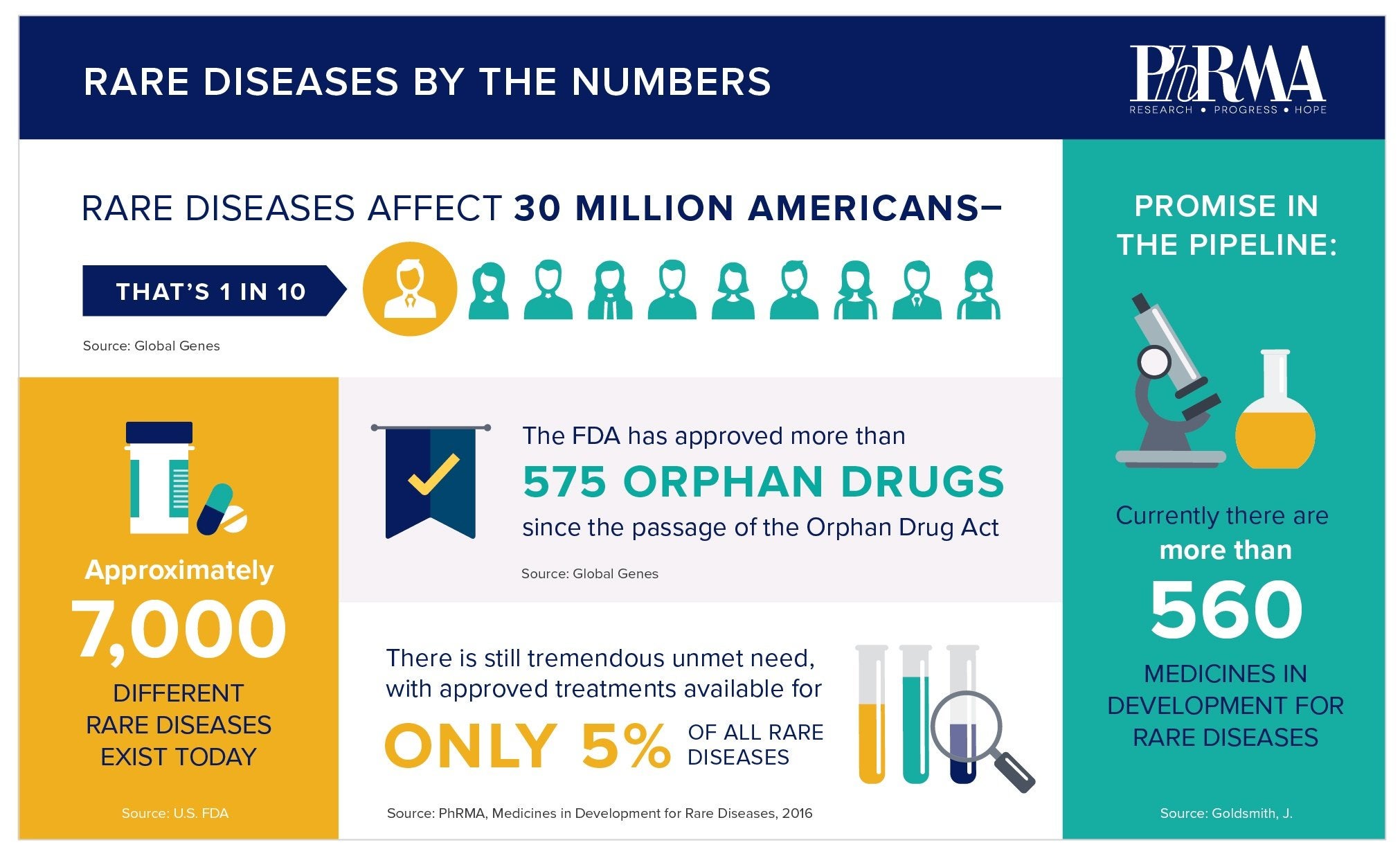
As we celebrate Rare Disease Day, it is important to not only reflect on how far we have come in tackling these devastating and complex conditions, but how much unmet medical remains. While more than 7,000 rare diseases have been identified, only 5 percent have treatments. As the majority of these diseases are life threatening, these facts underscore the need for new medicines.
 Conquering rare diseases presents a variety of unique challenges for scientists and researchers. The underlying causes of rare diseases can be difficult to identity and the symptoms of the diseases are often quite different for each patient, making rare diseases very difficult to diagnose. We now know that more than 80 percent of rare diseases are genetic in origin, giving us greater insights into the biological drivers of many conditions. Progress in understanding some of these diseases at the molecular and genomic level is helping to make new advances possible but for many rare diseases the causes remain elusive. Even within a particular rare disease, there can be many variations or subtypes resulting in different clinical manifestations and disease progression.
Conducting clinical research in rare diseases is also made more difficult as a result of the practicalities of recruiting and enrolling very small populations of patients. Although a rare disease is generally defined as affecting fewer than 200,000 people in the United States, research suggests that the median population size for rare diseases is actually fewer than 10,000 patients.
The Orphan Drug Act continues to be an important force in driving treatment innovation for rare diseases. More than 575 orphan drugs have been approved since its passage in 1983. In contrast, the FDA had approved fewer than 10 orphan drugs in all of the 1970s before the Act was passed. Unprecedented scientific potential, combined with appropriate incentives, make this a promising time for many patients with rare diseases.
At the same time, we also believe that enhancements to regulatory science offer to accelerate and add clarity to the research and development of treatments for rare diseases, as well as the FDA review of innovative treatments. Advancing the use of patient-focused drug development tools, novel clinical trial designs, and emerging, qualified biomarkers can help reduce uncertainty in the drug development process and ensure that researchers are incorporating the patient perspective into each aspect of the development and review of new medicines.
The biopharmaceutical industry is committed to advancing novel therapies for the more than 30 million Americans suffering from a rare disease today. Together with stakeholders across the rare disease community, biopharma scientists and other researchers are working to overcome often significant research and development challenges to drive innovative options for patients. There are more than 560 medicines currently in development for rare diseases, including more than 150 for rare forms of cancer.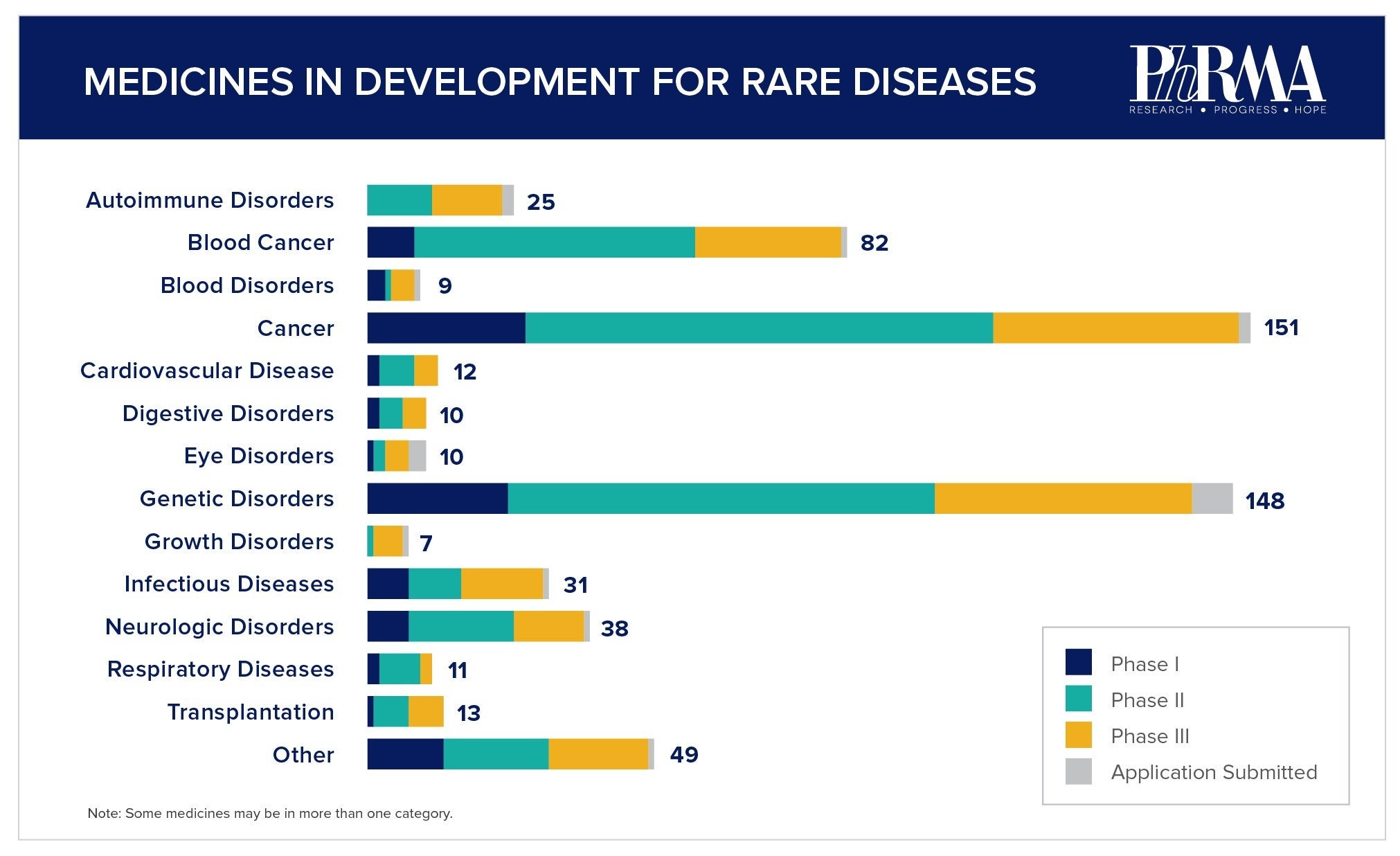
Learn more about progress in rare disease research here.
Be sure to check the Catalyst this week as we’ll be spotlighting perspectives from the rare disease community.
Anne McDonald Pritchett PhD
Anne McDonald Pritchett, Ph.D., is Senior Vice President, Policy and Research, at the Pharmaceutical Research and Manufacturers of America (PhRMA). Her primary focus is overseeing the development of legislative and policy analysis and research studies on a range of issues impacting innovative biopharmaceutical companies including intellectual property issues, FDA policy issues, and other issue areas impacting the environment for innovation. In addition to her public policy work, she and her team lead the development of a range of educational and other materials focused on explaining the R&D process, the value of innovation, and the role and contributions of the innovative biopharmaceutical industry.
Anne McDonald Pritchett PhD
World Sickle Cell Day: Recognizing the promise of gene therapy
Celebrating rare disease innovation: Progress and the path forward
Advancing patient care: A look at new medicines approved in 2025
4 things to know on Rare Disease Day
Preventing and fighting disease: A look at the biopharmaceutical progress made for patients in 2024
Watch: A conversation with Dr. Mike Ybarra on Rare Disease Day
Don't close the door on rare disease research
New report shows how the Inflation Reduction Act stifles innovation for small molecule medicines
Setting the record straight on accelerated approval
Celebrating 40 years of the Orphan Drug Act on Rare Disease Day
Recognizing National Sickle Cell Awareness Month
Biopharmaceutical research and development has ushered in a decade of innovation in rare disease
New Report: Nearly 800 new medicines in development to treat rare diseases
3 things to know about the importance of post-approval research and development
Rare Disease Day 2020: Progress toward cures
Speaker Pelosi’s drug pricing plan could result in 56 fewer new medicines over 10 years
Pelosi’s radical plan would leave patients with sickle cell disease behind
Pelosi’s radical plan would leave patients with rare pediatric diseases behind
ICYMI: Fighting for a cure to ALS
New report shows nearly 20 innovative medicines in development for sickle cell disease
Guest post: Hearing from patients on Rare Disease Day
Rare Disease Day: Unmet medical need inspires biopharmaceutical innovation
Putting 2018 medicine approvals in context
ICYMI: Orphan drug development brings unique challenges
Rare Disease Day: Unmet need inspires innovation
Guest Post: Debra of America on Epidermolysis Bullosa
Guest Post: Room for optimism in ALS research
Guest Post: A Cure for Ellie on Leukodystrophy-LBSL
Guest Post: Epilepsy Foundation on rare diseases
Rare Disease Day: Accelerating innovation for patients in need
Rare Diseases
Rare Disease Day: Accelerating innovation for patients in need
Rare Disease Day: Accelerating innovation for patients in need