not used title
not used title
From the eradication of smallpox to the near elimination of diseases like polio and measles, few innovations have been as transformative as vaccines.
Today, PhRMA released a new report covering 286 vaccines in clinical development or awaiting review by the U.S. Food & Drug Administration (FDA). These vaccines target a wide spectrum of diseases, from a potential first-in-class vaccine for E. coli to a potential therapeutic vaccine for Alzheimer’s disease. As science advances and biopharmaceutical researchers make more strides, these new vaccines are providing hope to prevent and treat a wide range of illnesses.
Vaccines are highly effective tools for protecting our health, with a long history of saving lives and reducing health care costs. Here is what you should know:
Vaccines are one of the most impactful and cost-effective tools for preventing diseases and supporting healthy aging: In the last 30 years in the U.S., childhood vaccines have prevented over one million early deaths and are now available to prevent 18 dangerous or deadly diseases. Vaccines have also reduced disease severity across all ages. For example, COVID-19 vaccines prevented over 18 million hospitalizations and nearly 3 million deaths in two years, and the flu vaccine prevents 3.7 million medical visits and over 100,000 hospitalizations annually.
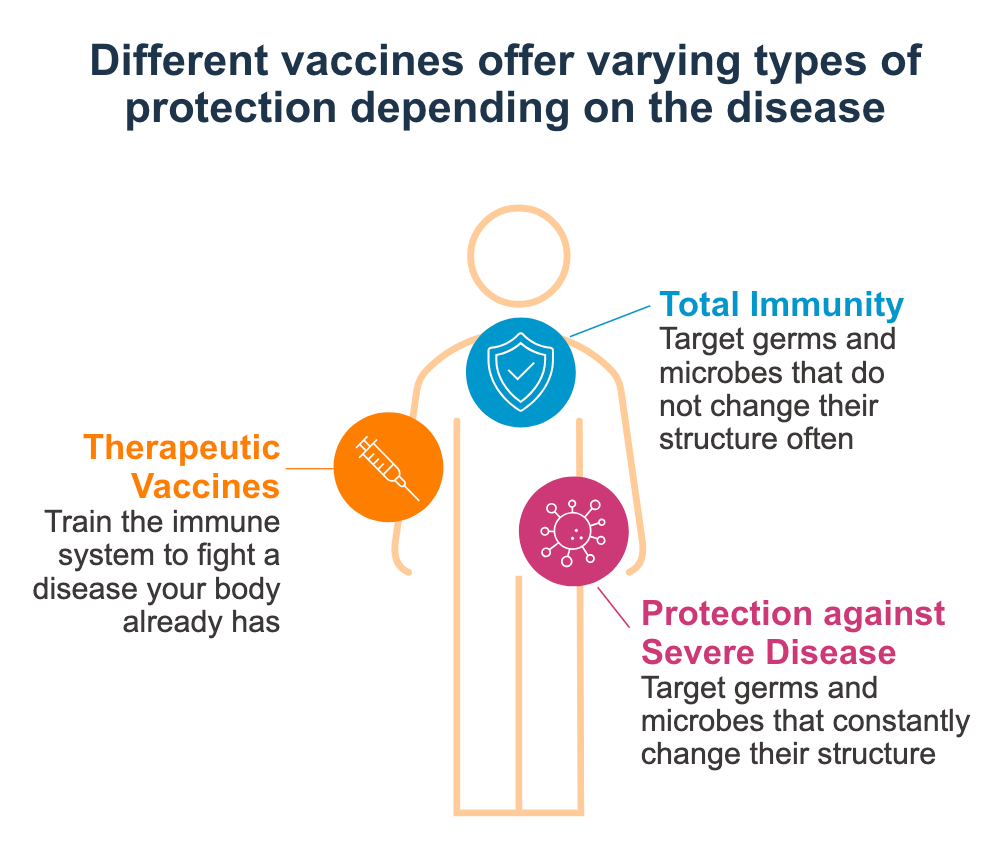
Vaccines work by helping your body identify potential infections, so that your own immune system can fight diseases faster and more effectively when exposed: Vaccines teach the body to recognize specific pathogens, preparing the immune system to fight future infections. They use weakened or inactive germs or virus pieces to stimulate an immune response without causing the disease. Some vaccines provide long-lasting immunity against stable microbes, like measles and polio, while others, like flu and mRNA COVID vaccines, target changing microbes to reduce infection severity. Some vaccines, known as therapeutic vaccines, are designed to work on diseases that a person may already have, such as cancer. These work by training the body’s immune system to identify and attack cancer cells or diseased cells after an infection.
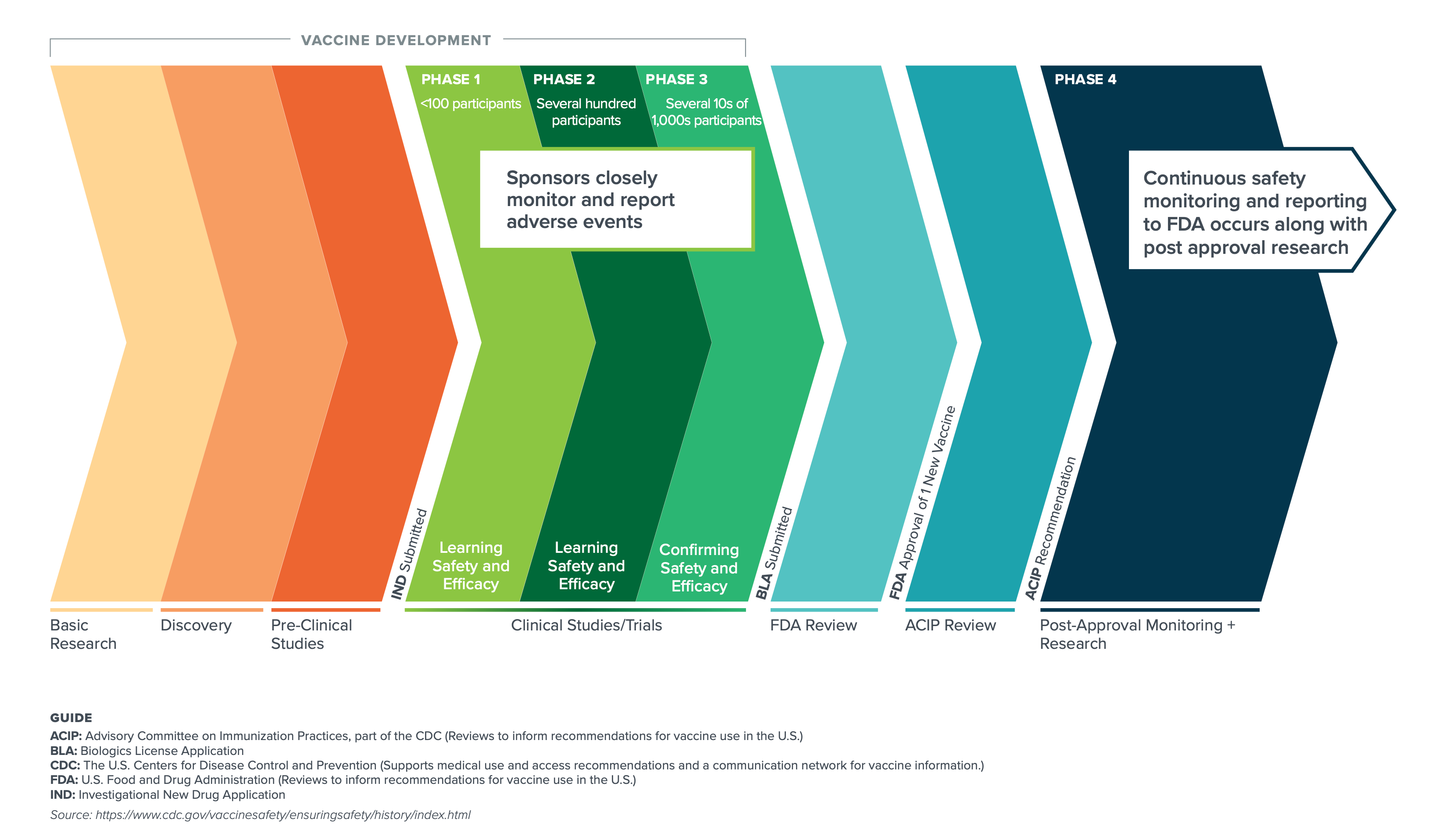
Vaccines are subject to a rigorous safety and efficacy review process and are closely monitored after approval: Vaccines undergo years of rigorous clinical trials with thousands of patient volunteers to ensure safety and effectiveness. The FDA reviews vaccines intensively, and the CDC’s Advisory Committee on Immunization Practices (ACIP) sets vaccination guidelines. Safety and effectiveness are closely monitored by biopharmaceutical manufacturers, the FDA, and the CDC, both during clinical trials and after approval.
With nearly 300 vaccines in development, the pipeline promises a brighter future with new technologies that could prevent or treat diseases in ways previously not thought possible. This is why it is vital that our policy environment supports scientific advancements and recognizes the role of vaccines in public health and future pandemic preparedness. Congress should ensure reauthorization of critical provisions in the Pandemic and All Hazards Preparedness Act. Policymakers must also protect intellectual property, a key driver of American biopharmaceutical research, development and manufacturing, and enables collaborations critical to public health.
Taken together, these actions will help save people and the health care system from the expense of treatment for preventable diseases.
Read the full report here.
Matthew Norawong
Matthew is a senior manager on PhRMA’s Public Affairs team focusing on Medicare, Medicaid, importation and more. Prior to coming to PhRMA, he previously worked as a health policy analyst for National Journal’s Network Science Initiative, primarily supporting companies in the life sciences industry. Matthew completed his undergraduate studies in political science at the University of Washington and subsequently earned a Master of Public Health from the George Washington University. A native of the Pacific Northwest, Matthew currently resides in Washington, DC. Outside of the office, Matthew is an avid runner and enjoys playing bass guitar with his indie rock band.
Matthew Norawong
Bayh-Dole: The fuel for America’s innovation engine
September 2, 2026
ICYMI: Biopharmaceutical companies in America hit new investment milestone
August 14, 2026
Why smart vaccine policy matters
August 3, 2026
New study: HPV vaccination helps prevent cervical cancer deaths
July 21, 2026
World Sickle Cell Day: Recognizing the promise of gene therapy
June 19, 2026
America's cancer research progress is real and worth protecting
May 28, 2026
Ahead of ASCO: Cancer innovation is promising, but policy choices matter
May 26, 2026
New research reinforces the importance of hepatitis B vaccination at birth
May 21, 2026
World Immunization Week: Putting preventable diseases in the past
April 24, 2026
ICYMI: Measles resurgence could cost U.S. nearly $8 billion over five years
April 15, 2026
How AI is transforming the drug innovation lifecycle
March 19, 2026
Why shifting childhood vaccines to “shared clinical decision-making” puts kids at risk
February 23, 2026
Changes to America’s childhood vaccine schedule fail to protect our nation's kids
January 13, 2026
New study: Measles setbacks harm health and America’s economy
October 28, 2025
Why the hepatitis B vaccine matters
October 21, 2025
Vaccines and autism: Decades of scientific evidence find no link
September 22, 2025
Why the vaccine injury program matters
August 18, 2025
Recognizing the importance of vaccination for American health and security
August 4, 2025
Answering common questions on mRNA technology
July 17, 2025
What to know about vaccine ingredients: Aluminum and thimerosal
June 24, 2025
Americans are paying a 26% freerider tax on medicines because other countries don’t pay their fair share
June 17, 2025
PhRMA Foundation celebrates 60 years of investing in future scientific leaders
June 11, 2025
New report: Post-approval innovation delivers substantial patient benefits
June 2, 2025
World Immunization Week: Highlighting the importance of vaccines for public health
April 28, 2025
ICYMI: PhRMA submits comments to White House on artificial intelligence
March 17, 2025
What you need to know: Measles and the MMR vaccine
March 10, 2025
4 things to know on Rare Disease Day
February 28, 2025
Improved treatments continue to lead to declining cancer mortality rates in the U.S.
February 25, 2025
Biopharmaceutical innovation for a healthier America: PhRMA releases new innovation report
February 21, 2025
New policy agenda charts solutions for a healthier America
February 20, 2025
A successful PhRMA Forum highlights our commitment to a healthier America
February 20, 2025
Guest Perspective: Prioritize Innovative Care
February 11, 2025
Preventing and fighting disease: A look at the biopharmaceutical progress made for patients in 2024
February 3, 2025
A new administration poses new opportunities for patient access
December 17, 2024
Recognizing the value of disease prevention with Dr. Len Friedland from GSK
December 12, 2024
Congratulations to our 2024 Working for Cures Employee Champions
December 11, 2024
Post-approval R&D is critical for fighting cancer. The IRA makes it more difficult.
November 13, 2024
Leveraging the power of vaccines to prevent antimicrobial resistance
October 31, 2024
From the emergency department to the CDC Advisory Committee: Key takeaways from ACIP’s recent meeting
October 30, 2024
The Patient Perspective: Vaccines
October 23, 2024
New Report: Tackling chronic conditions with preventive treatment
September 30, 2024
Addressing the mounting threat of antimicrobial resistance
September 23, 2024
40 Years of Hatch-Waxman: What is the Hatch-Waxman Act?
September 19, 2024
New research: American biopharmaceutical investment in R&D drives transformational innovation
September 16, 2024
How to protect your children’s health this school year
August 22, 2024
Industry-backed STEM programs have supported 111 million students and nearly 183,000 teachers
August 1, 2024
Three things to know about the United Nations’ new HIV/AIDS report
July 31, 2024
The future of oncology R&D lies in policymakers’ hands
July 8, 2024
Showcasing the promise of biopharma at ASCO 2024
June 28, 2024
Alzheimer's & Brain Awareness Month: A conversation with Biogen
June 27, 2024
Alzheimer's & Brain Awareness Month: A conversation with Eisai
June 24, 2024
Alzheimer's & Brain Awareness Month: A conversation with Eli Lilly and Company
June 20, 2024
ICYMI: Misaligned policies undermine patient access
June 6, 2024
Women’s Health Month: A conversation with Astellas
May 31, 2024
ICYMI: Innovation transforms lives but misguided federal policies threaten patient outcomes
May 30, 2024
Mental Health Awareness Month: Supporting loved ones and improving mental health in America
May 28, 2024
Women’s Health Month: A conversation with Sage
May 23, 2024
The use of real-world data in drug development
May 13, 2024
New analysis: Accelerated approval pathway is changing lives in underserved communities
April 30, 2024
World Vaccine Congress: Building on vaccine success
April 1, 2024
The impact of innovative medicines: A caregiver's perspective
March 26, 2024
ICYMI: More evidence of the IRA’s harmful consequences on post-approval research and development
March 25, 2024
What new cures would mean to families
March 7, 2024
Watch: A conversation with Dr. Mike Ybarra on Rare Disease Day
February 29, 2024
American Heart Month: A nurse’s perspective
February 27, 2024
Proposed march-in framework would chill American innovation
February 7, 2024
Three things to know about antibody drug conjugates
February 2, 2024
Powering the next generation of therapies: A conversation with Astellas US President Mark Reisenauer
January 30, 2024
What they are saying: Experts agree that proposed march-in framework would jeopardize innovation
January 25, 2024
Novel treatments and vaccines approved for U.S. patients in 2023 reach five-year high
January 23, 2024
When it comes to the future of innovation, the ball is in policymakers’ court
January 22, 2024
The White House continues to attack American innovation
December 15, 2023
Taking stock of obesity and its costly effects
December 8, 2023
Congratulations to our 2023 Working for Cures Employee Champions
December 6, 2023
Watch: Putting patients front and center for World AIDS Day
November 30, 2023
Misuse of march-in could stifle innovation
November 27, 2023
WHO Pandemic Agreement offers opportunities and risks for American innovators
November 20, 2023
The IRA’s pill penalty threatens the future of oncology R&D
November 16, 2023
Don't close the door on rare disease research
November 13, 2023
New Report: 1,600 cancer treatments and vaccines in clinical development
November 9, 2023
Word of the Month: The Bayh-Dole Act
November 8, 2023
ICYMI: 3 takeaways on the IRA’s unintended consequences from America’s Physician Groups’ 2023 annual fall conference
November 6, 2023
R&D leaders to Biden Administration: Your policies are undermining the Cancer Moonshot
October 18, 2023
What you should know about protecting your health this fall
October 16, 2023
Three things economists are saying about the Inflation Reduction Act
October 11, 2023
Celebrating Hispanic Heritage Month at PhRMA
October 11, 2023
Word of the Month: AMR
September 27, 2023
New PhRMA site demonstrates how a technology-driven health care system brings benefits to patients
September 11, 2023
Watch: New video series spotlights advances in biopharmaceutical science
August 24, 2023
Decentralized clinical trials and the future of drug development
August 9, 2023
WTAS on reasonable pricing and public-private partnerships
August 8, 2023
Key considerations as Congress works towards PAHPA reauthorization
July 12, 2023
New report shows high-impact R&D happens after cancer medicines are first approved
July 10, 2023
A conversation with Dr. Mike Ybarra on the current state of COVID-19
June 27, 2023
New report shows how the Inflation Reduction Act stifles innovation for small molecule medicines
June 22, 2023
Biopharmaceutical science powered by PRIDE
June 16, 2023
ASCO 2023: Protecting our progress in the fight against cancer
June 15, 2023
Reject efforts to undermine America’s R&D ecosystem
June 15, 2023
Highlights from ASCO 2023
June 8, 2023
Mental Health Awareness Month: Fighting the growing mental health crisis and supporting innovation
May 11, 2023
Support for continued progress is critical for pediatric drug development
May 8, 2023
New resource underscores the importance of small molecule medicines
May 4, 2023
Policies need to address the growing threat of antimicrobial resistance
April 28, 2023
World IP Day 2023: Celebrating women leaders in innovation
April 26, 2023
CMS guidance on IRA price setting process doubles down on bad policy
April 14, 2023
A guide to MedPAC’s Part B vote today
April 13, 2023
What they are saying: Experts reinforce that TRIPS waiver expansion is harmful and unnecessary
April 13, 2023
ICYMI: PhRMA President and CEO Stephen J. Ubl discusses patient affordability
April 7, 2023
PhRMA provides comments and testimony to USITC investigation on COVID-19 medicines and the TRIPS Agreement
March 30, 2023
New Report: More than 400 medicines in development for leading chronic conditions affecting older Americans
March 28, 2023
Celebrating the success of the COVID-19 vaccines, and looking to the future
March 27, 2023
IRA Impacts: Cancer treatment research and development
March 23, 2023
PhRMA submits comments to OSTP on enhancing clinical trial diversity
March 21, 2023
What we’ve learned from three years of fighting COVID-19
March 20, 2023
Celebrating 40 years of the Orphan Drug Act on Rare Disease Day
February 28, 2023
PhRMA submits comments to USPTO highlighting important role of patent system in medicine development
February 23, 2023
State policymakers can protect American innovation and help Americans live longer, healthier lives
February 9, 2023
Recognizing National Glaucoma Awareness Month
February 1, 2023
New Report More than 160 medicines in development for mental illness
January 26, 2023
ICYMI: Cancer death rate continues to decline due to treatment advances
January 25, 2023
Novel medicines approved in 2022 offer increased treatment options for patients
January 23, 2023
ICYMI: PhRMA kicks off the year at the 2023 J.P. Morgan Health Care Conference
January 19, 2023
WTAS: Inflation Reduction Act already impacting R&D decisions
January 17, 2023
Stories from the lab: Researchers discuss innovative treatments for cancers of the blood
December 1, 2022
Word of the Month: What is TRIPS?
November 29, 2022
Expanding TRIPS waiver would jeopardize biopharmaceutical research and development
November 17, 2022
What you should know about RSV
November 15, 2022
Congratulations to our 2022 Working for Cures Employee Champions
November 10, 2022
New government price setting policy threatens post-approval research
November 10, 2022
ICYMI: PhRMA COO Lori Reilly Esq. speaks with Jacob Van Naarden about the future of cancer research
November 8, 2022
New paper: Addressing the growing crisis of mental health and substance use disorders
November 7, 2022
Protecting treatment advances for breast cancer
October 31, 2022
The law driving technology transfer and fostering innovation
October 24, 2022
Word of the Month: Long COVID
October 19, 2022
Don’t take anti-innovation, activist funded academics at their word
October 18, 2022
Protecting against influenza: A conversation with David Ross, Vice President, Commercial Operations, North America, CSL Seqirus
October 13, 2022
Mental Illness Awareness Week – A time for reflection
October 3, 2022
New Report: Nearly 800 medicines in development to treat chronic conditions
September 29, 2022
Recognizing National Sickle Cell Awareness Month
September 23, 2022
Partnerships are driving global COVID-19 treatment access
September 22, 2022
ICYMI: New research builds upon growing body of evidence on value of COVID-19 treatments and vaccines
August 16, 2022
This week’s reading list: All the reasons the Senate-passed drug pricing bill is bad policy
August 10, 2022
Myth vs. Fact: The Senate’s latest price setting proposal
August 5, 2022
An open letter to Congress: Stand with patients and future cures
August 4, 2022
The Senate’s latest price setting proposal will undermine U.S. economic growth
August 3, 2022
New analysis finds deeper impact of drug pricing bill on biopharmaceutical researchers
August 1, 2022
ICYMI: A patient, physician, biotech investor and industry leaders warn about the dangers of government price setting bill
July 29, 2022
The Senate’s latest price setting proposal will undermine: American medical innovation
July 27, 2022
PhRMA member companies’ R&D investments reach record high of $102.3 billion in 2021
July 18, 2022
ICYMI: PhRMA’s Ubl pens op-ed on IP waiver for COVID-19 technologies
July 15, 2022
Increase in drug-resistant superbugs during COVID-19 highlights need for policy reforms to address antimicrobial resistance
July 14, 2022
Word of the Month: Biomarkers and surrogate endpoints
July 11, 2022
COVID-19 vaccines and treatments helped save millions of lives and billions in health care costs
July 7, 2022
CMS coverage decision restricts access to treatments for Alzheimer’s disease
June 22, 2022
Key takeaways from ASCO's annual meeting
June 10, 2022
Biopharmaceutical researchers to discuss the value of R&D with Congress
June 9, 2022
Recognizing LGBTQ+ Pride in biopharmaceutical science
June 9, 2022
Potential gene therapies bring hope to patients with sickle cell disease
June 6, 2022
Gene therapies can reduce treatment burden and costs for patients with blood disorders
May 18, 2022
Report: More than 500 medicines in development to treat disorders of the blood
May 18, 2022
Ensuring timely reauthorization of PDUFA and BsUFA
May 11, 2022
ICYMI: PhRMA COO Lori Reilly spotlights efforts to improve health care in 2022 and beyond
May 9, 2022
Spotlighting a growing mental health challenge
May 9, 2022
ICYMI: New resource catalogs biopharmaceutical industry lessons learned from COVID-19
April 28, 2022
The biopharmaceutical industry leads in helping women achieve new heights, according to IAM’s diversity 100
April 20, 2022
Report: More than 600 medicines in development for diseases affecting women
March 31, 2022
The accelerated approval pathway: Helping patients with serious or life-threatening diseases
March 17, 2022
Biopharmaceutical industry drives economic growth in all 50 states
March 14, 2022
Biopharmaceutical research and development has ushered in a decade of innovation in rare disease
February 28, 2022
4 things to know about biopharmaceutical efforts to fight cancer
February 24, 2022
New Data: COVID-19 vaccine global production capacity projected to exceed 20 billion doses this year
February 24, 2022
What you need to know about newly authorized COVID-19 antiviral treatments
February 22, 2022
Guest post: Joining forces to combat the COVID-19 mental health crisis
February 17, 2022
Guest Blog: COVID-19 vaccines are the key to keeping kids healthy
February 16, 2022
PhRMA submits comments urging CMS to withdraw coverage proposal
February 11, 2022
The importance of timely PDUFA and BsUFA reauthorization
February 3, 2022
Research and development continues long after a medicine is initially approved
February 1, 2022
Protecting U.S. innovation abroad to support economic and pandemic recovery
February 1, 2022
ICYMI: New approvals by the FDA in 2021 offer greater treatment options for patients
January 26, 2022
ICYMI: New report demonstrates growing global impact of antimicrobial resistance
January 24, 2022
New data show continued decline in death rates for cancer patients related to treatment advances
January 20, 2022
New Report: Nearly 800 new medicines in development to treat rare diseases
December 16, 2021
Recap: Our inaugural graduate summit and career expo
December 8, 2021
New report details the promise of the biopharmaceutical pipeline
December 7, 2021
3 things to know about the importance of post-approval research and development
December 6, 2021
World AIDS Day: Remembering those we’ve lost and exploring the continued fight against HIV/AIDS
December 1, 2021
Global COVID-19 vaccination matters now and for the future
November 29, 2021
Guest post: Congress should not put future innovation at risk
November 29, 2021
Preventing the next public health emergency: New evidence demonstrates need to address antimicrobial resistance
November 18, 2021
Understanding breakthrough COVID-19 infections
November 11, 2021
New report highlights importance of IP-intensive manufacturing industries to the U.S. economy
November 1, 2021
Guest post: Continued research and development is critical for ALS patients and families
October 25, 2021
New report shows more than 260 medicines in development to fight neurodegenerative diseases
October 12, 2021
The important role of antivirals in the fight against COVID-19
October 6, 2021
Understanding Long COVID-19
September 29, 2021
Biosimilar User Fee Act (III) Performance Goals Letter will help increase options for patients and promote competition
September 28, 2021
Meeting Tomorrow: Looking ahead to PDUFA VII
September 27, 2021