 Conversations and healthy debate about issues facing our industry and the health care system are critical to addressing some of today’s challenges and opportunities. The Catalyst welcomes guest contributors, including patients, stakeholders, innovators and others, to share their perspectives and point of view. Views represented here may not be those of PhRMA, though they are no less key to a healthy dialogue on issues in health care today.
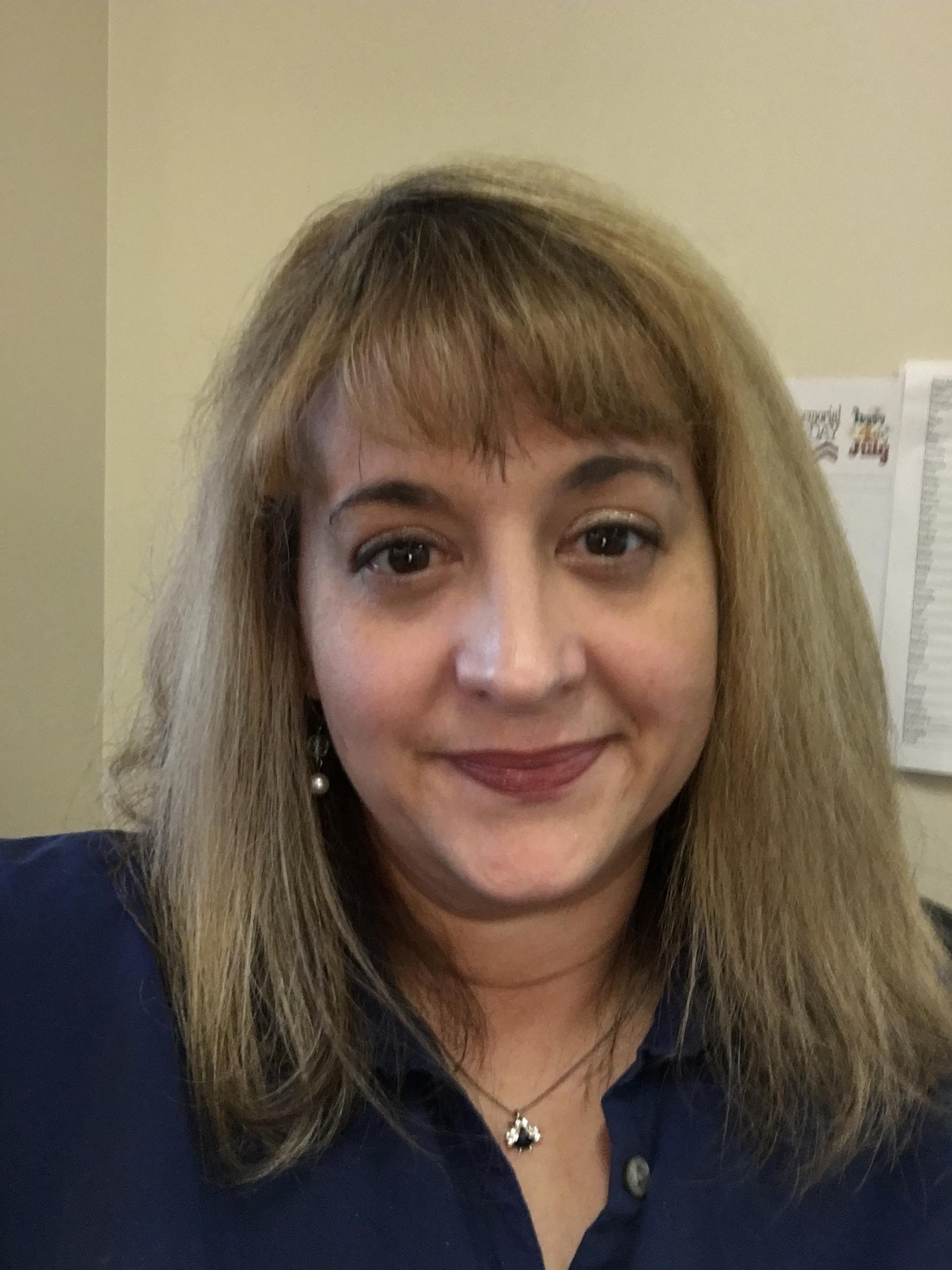
We are pleased to host a Q&A with Angela Ostrom, chief legal officer & vice President public policy for the Epilepsy Foundation.
How are the challenges facing the rare disease community unique in comparison to those facing people with more prevalent illnesses?
Epilepsy is the fourth most common neurological disorder, affecting more than 3 million Americans. Some forms of epilepsy are rarer than others, but these rare syndromes can be the most catastrophic. Rare epilepsies primarily affect children who can experience hundreds of seizures a day, often accompanied by severe cognitive and motor delays, co-occurrence of diseases in other body systems, and increased mortality. The impact of the rare epilepsies on the family can be devastating. About one third of the 3 million people living with epilepsy do not have their seizures under control, but in individual rare epilepsy syndromes the proportion who are unable to find seizure control is much higher. Each syndrome or condition is different, but, because each syndrome population is small in size, research to unlock answers is not moving fast enough.
Given the theme of this year’s Rare Disease Day is research, is there any specific research currently underway into new medicines for people with rare diseases that you’re particularly excited about?
The rare epilepsies community has come together to create the first ever Rare Epilepsy Network (REN) with seed funding from the Patient-Centered Outcomes Research Institute (PCORI). The REN is a patient registry to collect information about people living with rare epilepsies to better understand these conditions and inform research into therapies that can improve the lives of people living with rare epilepsies. You can learn more about REN or enroll in the registry at www.epilepsy.com/REN.
The REN aims to improve the lives and quality of care of people with rare epilepsies and to provide patients and their families an opportunity to participate in research that could compare the outcome of medical approaches and natural history through observational studies and medical interventions through randomized clinical trials. Through the REN we are partnering with caregivers who can be critical to providing information on the rare epilepsies to researchers. Another advantage of intimate caregiver involvement is that we can also study the impact of the disorders on the health and well-being of the family as a whole.
Are there any examples of progress in the fight against rare diseases in recent years that have inspired you in your work?
The Epilepsy Foundation is committed to accelerating the development of new therapies to help people with difficult to control seizures through initiatives like the REN, the Research Roundtable, our Pipeline Conference, and targeted investments in research. We are excited about the prospects for rare epilepsies in the pipeline derived from cannabidiol and other medicines in development, along with genetic therapies targeting rare conditions. Progress and innovation have inspired our funding for epilepsy research and our work to encourage new investments. To further this goal the Foundation has launched the Epilepsy Innovation Institute to continuously drive transformational innovation in the way we diagnose and treat epilepsy, by encouraging and supporting radical new ideas and incorporating novel expertise and technologies from other fields of science.
What do you want people to know about people with rare diseases and the challenges they face?
The number of people with epilepsy who don’t have their seizures under control hasn’t changed, despite significant advances in the development of innovative anti-seizure medications, medical devices, and surgical options over the past several years. In 2017, we have a unique opportunity to build communities of research around rare epilepsies, and further public policies and federal investments in support of greater innovation with new leadership at the Food and Drug Administration and as Congress looks to reauthorize the Prescription Drug User Fee Act. The epilepsy community has come together to support and invest in research that can lead to better treatments and improved quality of life. We look forward to working with all stakeholders to deliver on the promise of innovation.
Learn more at: www.epilepsy.com.
Guest Contributor
The PhRMA blog welcomes guest contributors, including patients, stakeholders, innovators and others, to share their perspectives and point of view on issues facing our industry and the health care system.
Guest Contributor
World Sickle Cell Day: Recognizing the promise of gene therapy
Celebrating rare disease innovation: Progress and the path forward
Advancing patient care: A look at new medicines approved in 2025
4 things to know on Rare Disease Day
Preventing and fighting disease: A look at the biopharmaceutical progress made for patients in 2024
Watch: A conversation with Dr. Mike Ybarra on Rare Disease Day
Don't close the door on rare disease research
New report shows how the Inflation Reduction Act stifles innovation for small molecule medicines
Setting the record straight on accelerated approval
Celebrating 40 years of the Orphan Drug Act on Rare Disease Day
Recognizing National Sickle Cell Awareness Month
Biopharmaceutical research and development has ushered in a decade of innovation in rare disease
New Report: Nearly 800 new medicines in development to treat rare diseases
3 things to know about the importance of post-approval research and development
Rare Disease Day 2020: Progress toward cures
Speaker Pelosi’s drug pricing plan could result in 56 fewer new medicines over 10 years
Pelosi’s radical plan would leave patients with sickle cell disease behind
Pelosi’s radical plan would leave patients with rare pediatric diseases behind
ICYMI: Fighting for a cure to ALS
New report shows nearly 20 innovative medicines in development for sickle cell disease
Guest post: Hearing from patients on Rare Disease Day
Rare Disease Day: Unmet medical need inspires biopharmaceutical innovation
Putting 2018 medicine approvals in context
ICYMI: Orphan drug development brings unique challenges
Rare Disease Day: Unmet need inspires innovation
Guest Post: Debra of America on Epidermolysis Bullosa
Guest Post: Room for optimism in ALS research
Guest Post: A Cure for Ellie on Leukodystrophy-LBSL
Rare Disease Day: Accelerating innovation for patients in need
Guest Post: Epilepsy Foundation on rare diseases
Rare Diseases
Guest Post: Epilepsy Foundation on rare diseases
Guest Post: Epilepsy Foundation on rare diseases