Ask About Adherence is a blog series featuring Q&A’s with experts and new medication adherence resources. In this post, we are pleased to share a blog post from Leah Zullig, PhD, MPH and Sabina De Geest, PhD, RN.
Conversations and healthy debate about issues facing our industry and the health care system are critical to addressing some of today’s challenges and opportunities. The Catalyst welcomes guest contributors, including patients, stakeholders, innovators and others, to share their perspectives and point of view. Views represented here may not be those of PhRMA, though they are no less key to a healthy dialogue on issues in health care today.
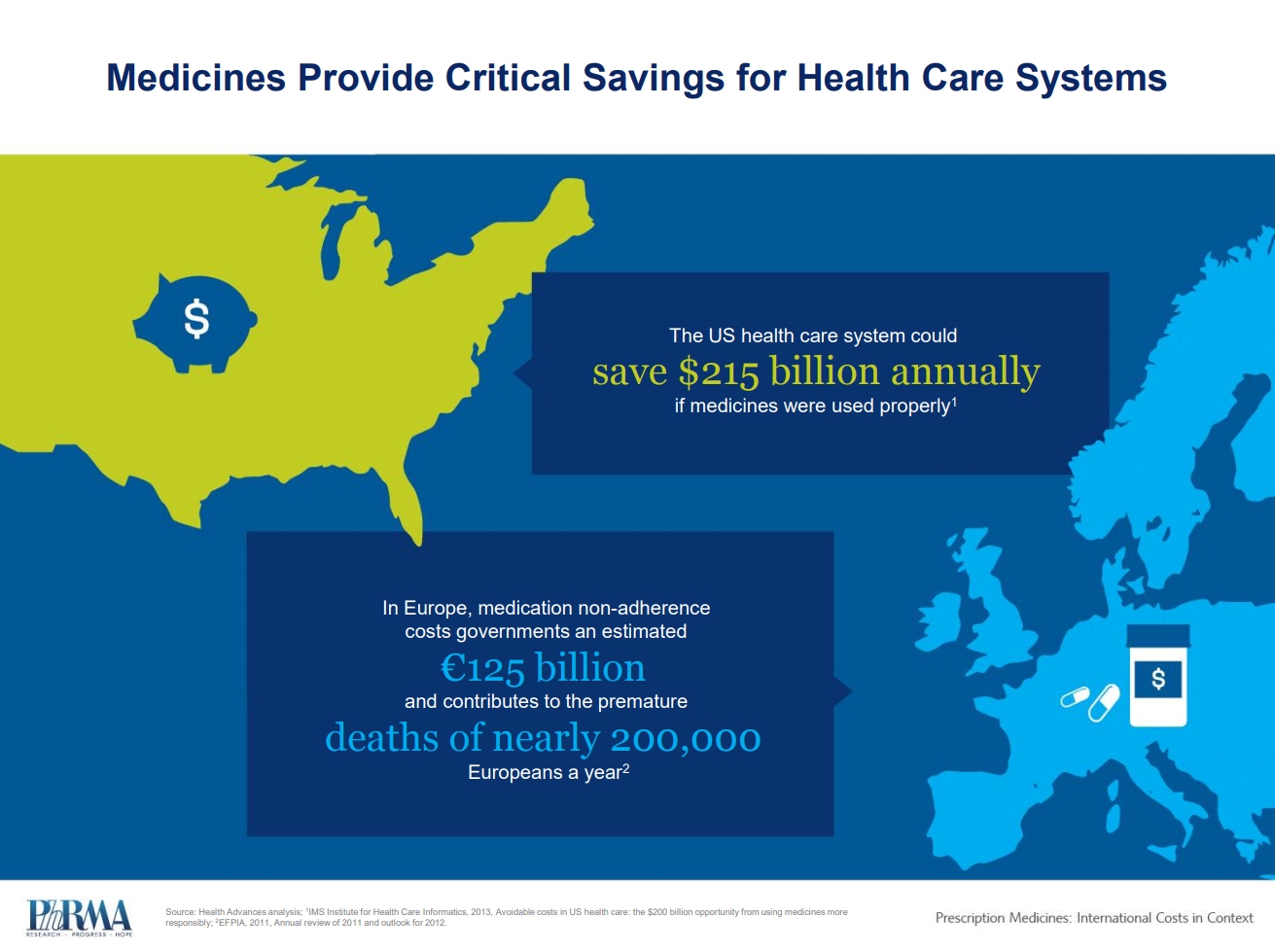
Nearly 70 percent of American adults are prescribed at least one prescription medication. While appropriate use of medications is critical to managing chronic disease and reducing mortality, many patients struggle with taking their medications as prescribed. This problem is not just confined to the United States. In fact, medication non-adherence is a global health problem of striking magnitude with major economic consequences.
Despite four decades of research to improve medication adherence, little progress has been made to move the needle on adherence at the population level or inform health care policies. We know relatively little about how to successfully translate effective adherence interventions into clinical practice. One reason for this is because adherence studies are not uniformly reported. This makes it challenging to look across studies and find effective solutions with a broad evidence base. To move the field forward, we need international consistency in the reporting of adherence research.
The European Society for Patient Adherence (ESPACOMP) is addressing this problem by creating medication adherence reporting guidelines. Leaders from ESPACOMP recently established an international panel of experts to develop an innovative and internationally validated set of reporting guidelines to enhance the quality of adherence research reporting. Through a consensus-based process, the international expert panel convened to develop the ESPACOMP Medication Adherence Reporting Guideline (EMERGE) recently published in Annals of Internal Medicine. Consistent with a standard definition of medication adherence, EMERGE complements existing reporting guidelines (e.g. STROBE, CONSORT, STaRI) and provides researchers, authors and journal editors with best practices for reporting observational and interventional studies relating to medication adherence. EMERGE is included in the EQUATOR network.
By adopting the EMERGE guidelines, there will be improved transparency and detail of reporting to enhance the field of medication adherence research by making it possible to synthesize findings across studies, with the ultimate goal of moving effective adherence support programs into health care policy and practice.
Leah Zullig, PhD, MPH is associate professor of Duke University’s Department of Population Health Sciences and research investigator at Durham VA Health Care System. Sabina De Geest, PhD, RN is a professor of nursing, chair of the Department Public Health of the Faculty of Medicine at the University of Basel in Switzerland and Professor of Nursing at the KU Leuven, Belgium.
Guest Contributor
The PhRMA blog welcomes guest contributors, including patients, stakeholders, innovators and others, to share their perspectives and point of view on issues facing our industry and the health care system.
Guest Contributor
CMS finds medication adherence saved Medicare up to 46.6B in avoided health care costs between 2013 and 2018
Ask About Adherence: Hepatitis C cures will save Medicaid $12 billion by 2022
Ask About Adherence: Improving adherence among osteoporosis patients could save up to $6.52 billion
Ask About Adherence: OIG proposed rule to reform the rebate system could improve adherence
Ask About Adherence: Poor medication adherence leads to negative health outcomes and increased health care costs
Ask About Adherence: New study finds one-third of newly diagnosed diabetic patients aren’t starting treatment
Ask About Adherence: Private-sector collaboration can lead to savings and care improvement
New report shows better diabetes management saves money and improves patient outcomes
Disease modifying therapies for the management of multiple sclerosis save money and improve patient outcomes
Ask About Adherence: Discussion on medication adherence as national priority
Ask About Adherence: Q&A on appointment-based medication synchronization
Ask About Adherence: Taking adherence research to a global level
Ask About Adherence
Ask About Adherence: Taking adherence research to a global level
Ask About Adherence: Taking adherence research to a global level