We need to move toward a more value-driven health care system that centers around patients’ needs. Sound evidence can help guide us toward that, and we’re committed to developing tools to help patients, physicians and others make informed decisions.
Value assessments, or health technology assessments, are one tool that can support better value in health care. But current value assessments often fall short of the transparent, patient-centered approach we need. Value assessments should include all the outcomes that matter to patients and families, including those in disadvantaged and marginalized communities.
Conventional approaches to value assessment rely on flawed standards. These include cost-effectiveness analysis (CEA) and quality-adjusted life years (QALYs) that ignore important elements of value that matter to patients and society. While traditional QALY-based cost-effectiveness analyses capture things like mortality, the ability to care for oneself and the ability to walk unassisted, they may not take into consideration other elements that matter to patients with diseases such as amyotrophic lateral sclerosis (ALS), neuromyelitis optica spectrum disorder (NMOSD), chronic obstructive pulmonary disease (COPD) and Alzheimer’s disease.
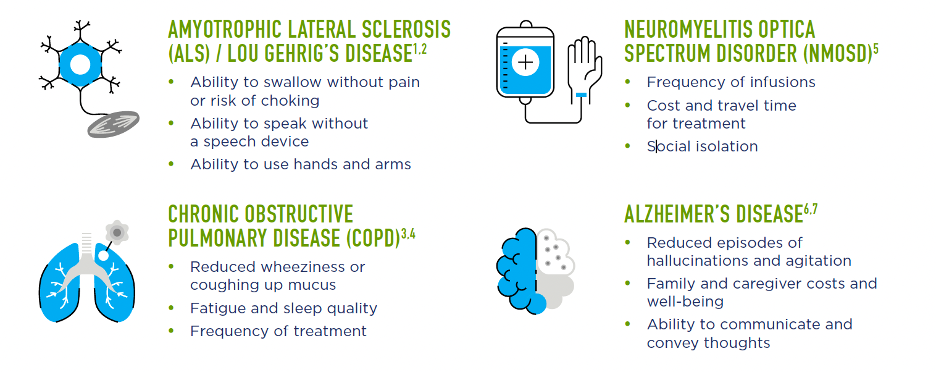
Outcomes that matter to patients should matter to everyone. Learn more at PhRMA.org/Value-Collaborative.
Emilie Signora
is a manager of public affairs at PhRMA focusing on the cost and value of medicines, as well as media executive visibility work. She previously worked for the U.S. Chamber of Commerce’s communications team. She received a B.A. in Communications from George Washington University. Outside of the office, Emilie enjoys traveling and spending time with her family.
Emilie Signora
New analysis: Flawed assessments of a medicine’s value jeopardize patient access
Using traditional HTAs to determine coverage threatens patient access to medicine
Traditional HTAs keep diverse patients out of the conversation
How HTA-based price controls could worsen health outcomes and health disparities
Value assessment should include all aspects of value that matter to patients
Value Assessment
Value assessment should include all aspects of value that matter to patients
Value assessment should include all aspects of value that matter to patients